Blog Posts

Our Favorite Core Exercises for Seniors-image

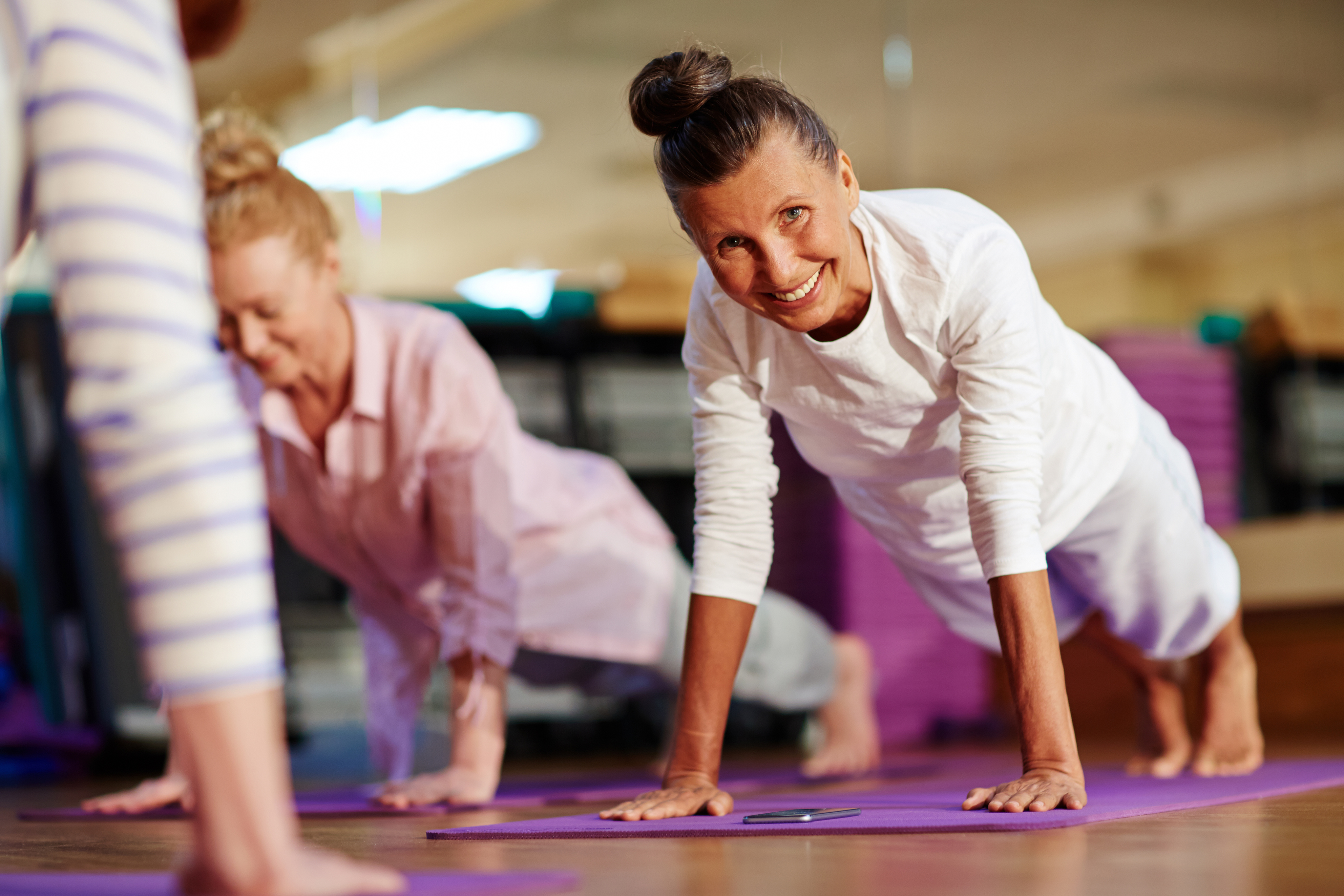
Think of your core as your body’s mission control center. Hard at work every waking moment to keep you balanced and stable, your core acts as a force transfer center making it possible for you to bend, twist, get up from a chair, put away groceries, or just walk down the street. Core muscles naturally weaken as we age and if we don’t take steps to strengthen them, well…Houston, we’ll have a problem. We’ve shared our top exercises for older adults , but these tips focus specifically on the all-important core.  What is the Core Exactly? As the term implies, our core is literally the body’s center. Basically, if it’s not your head, arm, or leg, it’s probably part of the group of muscles that make up the core. The rectus abdominis, internal and external obliques, transverse abdominis, and torso, gluteal and pelvic floor muscles which support the bladder and other organs, are all considered key elements of the core machinery that keeps us up and moving.   Focused on keeping that core toned and strong, these basic core exercises for seniors are designed to improve stability, coordination, posture, and stamina while reducing the risk of injury. WOOD CHOPS Wood chops will challenge your balance while working almost every core muscle. The movement involved is similar to that of loading and unloading the dishwasher.  Hold your hands together in front of you while your feet are a bit wider than your shoulders. Raise your arms to the left side of your head. Properly squat down as you do a chopping motion of your arms diagonally towards the opposite side of your body. Keep your core tight as you do so. Repeat the chopping motion back to the top. Do at least 10 reps and then switch to the other side. SIDE BENDS Targeting the oblique muscles along the sides of your trunk, this exercise not only strengthens but also works on range of motion. Sit on a sturdy chair with your feet flat on the floor. Put your right hand on the back of your head and the left arm outstretched to one side. Mimic the motion of reaching toward the floor by leaning over to your left side. As you bend over, tighten your oblique muscles then return to the initial position. Remember not to let your chest fall forward. As you do the exercise, keep your feet flat on the floor. Repeat for at least five times on each side. PELVIC TILTS As core exercises for older adults go, this one is as easy as it is beneficial. Pelvic tilts both stimulate and strengthen the lower abdominals that are critical in supporting the pelvis and torso.  Sit on a sturdy chair and keep your back straight as you put your hand on your thighs. Take a deep breath and then exhale as you draw your navel into the spine – hollowing your belly and tucking in your tailbone. Inhale deeply to release back to starting position. Repeat for about 10-12 times. CHAIR PLANKS One of the best core exercises for seniors is the chair plank. These work on muscles not easily engaged by other exercises. It also helps improve posture. All you need is a wall and a sturdy chair facing you up against it. As you face the chair, stand straight and place the heels of your hands on the edge of the seat – by the front legs on both corners. Hold that position and take a few steps back until your head, shoulders, hips, and feet from a long line. Make sure you are comfortable with the distance between your feet and the chair, so you can hold the position comfortably while maintaining the proper position. Squeeze your heels together and ensure that your hands and shoulders are aligned straightly. Stay in this position for 30 seconds or as long as you can. Concentrate on tightening your core by drawing your belly button towards the spine. Do this exercise for three to five repetitions. SUPERMAN Targeting the lower and upper back as well as the glutes, Superman is a great beginning core exercise for seniors as it can be performed in stages. At first, lift one arm and the opposite leg. As you gradually develop more strength, work up to lifting both arms and legs. Start by lying face down on a mat. Place your outstretched arms in front of you and then lift the left arm together with your head and right leg. Around two inches from the floor would be good. As you slowly raise your leg, make sure to squeeze your glute muscles, so you alleviate the pressure you feel on your lower back and tighten your core. Return to the starting position and repeat the process on the opposite side. Repeat five times on each side.   Incorporating core strengthening exercises into your regular fitness routine will improve your quality of life by supporting both your muscle tone and your continued independence and freedom of movement. At its very, well…core, it is a gift you give yourself. As always, we recommend checking with your medical practitioner or physician before starting any new workout routine

Read more

The Best Balance Exercises for Active Older Adults-image

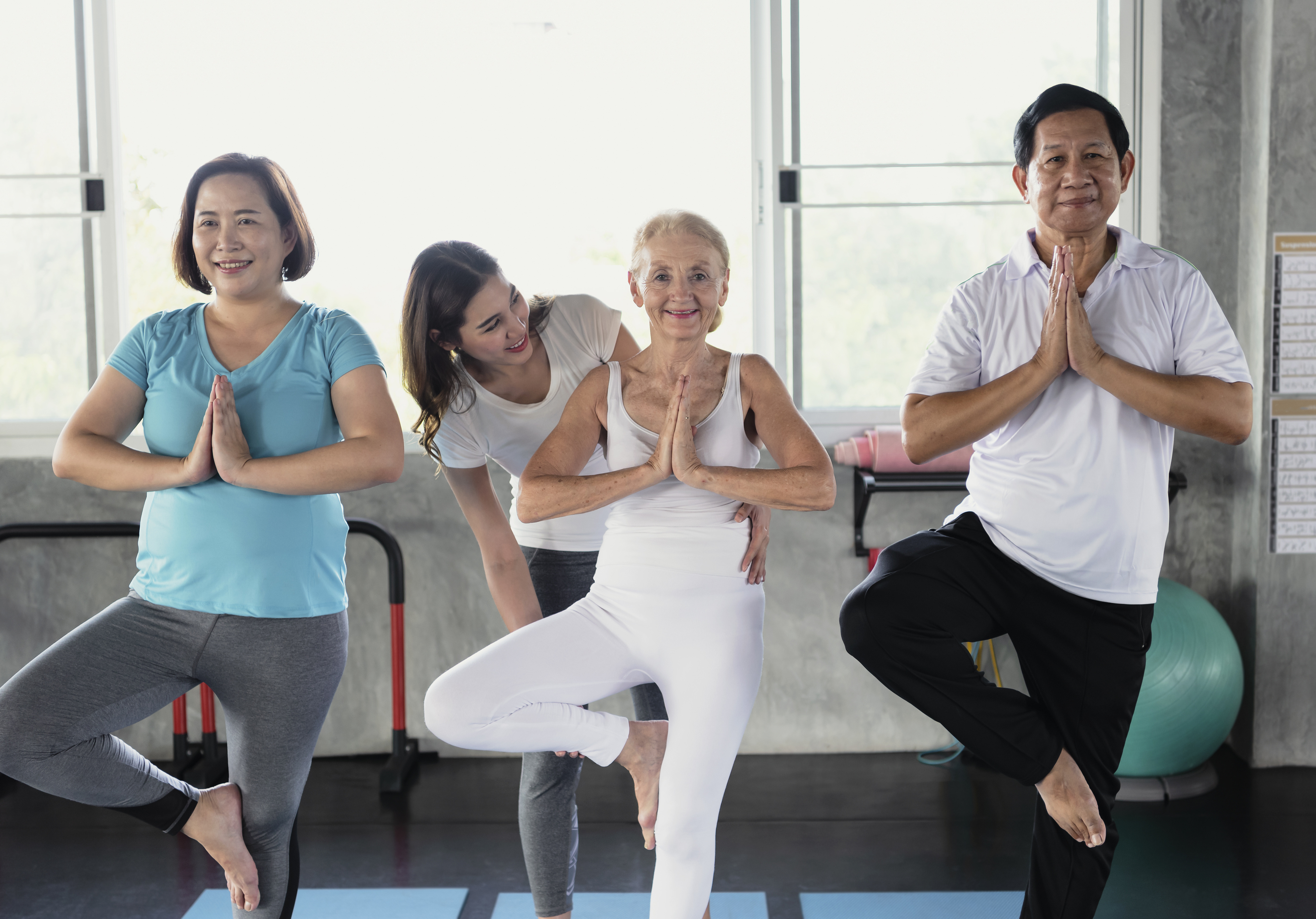
Kudos to you for protecting your health . Being conscientious about doctor visits, medications, and routine medical screenings are all positive. But unfortunately, there is no magic pill or test that will help maintain your balance.  According to the Center for Disease Control , each year approximately one of four seniors over 65 will experience one fall, which makes them twice as susceptible to another. Less than half report those incidents to their doctors. Up to 30% of those falls result in serious injuries, like broken bones and head trauma, that can be permanently life-altering.  As we age, the systems that promote balance and stability become less effective. That, combined with declining muscle mass, decreased hormone levels and insufficient calories or protein in the diet, leaves us at risk for falling. To be truly proactive in safeguarding your health and wellbeing, it is essential to combat these forces by staying active and building a strong core. Start with these few simple balance exercises for seniors.   Standing Marches Standing tall with your feet hip-width apart, lift one knee until your thigh is as close to parallel to the floor as you can get it. Keep your torso straight and avoid leaning. Pause, then return your foot to the floor. Then repeat with the other leg. Repeat 20 times, alternating legs. If you need more stability, hold onto a wall or piece of furniture until you feel comfortable doing the exercise without support. Foot Taps With your feet hip-width apart, position yourself at the bottom of a staircase. Raise one foot and tap the step directly in front of you. Perform 15-20 taps. Repeat with the other leg. Grab onto the wall if you feel unsteady. As you get stronger, perform the exercise without holding on. Sit to Stands Stand tall with your back facing a sturdy chair. Position your feet hip-width apart. From here, sit back and lower your hips to the chair as gently as possible. Pause, and without swinging your torso, push through your heels to stand up. Perform 10 repetitions. If at first, you need support, hold onto the wall or a sturdy piece of furniture. Let go when ready. Single-Leg Stands Standing with your feet hip-width apart, lift one foot about an inch off the floor and hold it there. Keep your torso straight, and don’t lean forward toward your planted foot. Hold for 10-15 seconds. Return foot to the floor and repeat with the other foot. Perform 5 stands on each leg. As with all balance exercises for seniors, use support at first if you feel the need until you feel comfortable letting go.  Walking Heel to Toe Put your right foot in front of your left so that your right foot touches the top of your left toes. Move your left foot in front of your right, putting your weight on your heel. Then shift your weight to your toes. Repeat with your left foot. Walk this way for 20 steps. This will improve strength which will help balance. Rock the Boat With your feet hip-width apart, both feet pressed firmly into the ground, and head level, transfer your weight to the right foot and slowly lift your left leg off the ground. Hold for up to 30 seconds. Slowly return your left foot to the ground and transfer your weight to that side. Repeat with the right foot. Start with 5 times per side and increase as you feel your balance improves. Your best weapon in the fight to maintain balance is to stay active . Getting on your feet will improve your chances of staying there!  Remember to always consult with a physician with regard to your readiness to perform physical activity.  

Read more
Everyday Activities to Boost Your Memory-image

  At the height of the Pandemic, when life was a bizarre, much less fun version of the movie “Groundhog Day,” people of all ages had trouble keeping track of the calendar. Now that we are back out in the world, thankfully we can once again differentiate one day from another. But for older adults, keeping the memory sharp is about much more than just knowing what day it is. Our brain may only weigh about 3 pounds, but during our lifetime, it changes more than any other body part. Constantly altering its structures and functions, this amazing piece of engineering can show signs of decline as we age, especially in the memory department. The good news: When memory loss is a part of the natural aging process, and not caused by an underlying neurological condition, there is much we can do to stimulate our brains and help keep them in shape. Think of these as the cerebral version of a physical workout at the gym—mental exercises to get your brain off the couch! How to Improve Memory and Concentration Puzzles One of the best ways to test your brain mettle is to dive into the puzzle of your choice. Whether you’re spending quality time with your favorite crossword puzzle or Sudoku book or poring over a 1,000-piece jigsaw puzzle with family or friends, puzzles involve problem-solving, attention to detail, and searching for patterns, all of which are a great stretch for the mental muscles. Board Games Games that focus on finding information serve two masters. They are great for flexing recall skills, while also providing social opportunities so important to the wellbeing of older adults. Grab the chessboard, trivia, or home Jeopardy game and get the wheels turning. Put Your Cards on the Table Whether you’re into Canasta, Bridge, or want to ante up for Poker, playing cards allow you to hone logic, reasoning, and memory skills. And of course, there is the added bonus of sitting around the table having a few laughs with friends. Get Your Craft On If you have a favorite craft, get to the hobby shop and start quilting, scrapbooking, crocheting, or making macrame. If you are new to crafts, this is the perfect time to learn something new. Taking up a new, cognitively challenging hobby will both invigorate the mind and provide gifts for the family. There’s an App for That If the question is how to stimulate your brain, look no further than your computer, iPhone or tablet. Whether you are looking to shore up your language, reasoning, attention, or memory skills, there is sure to be an app that is up to your task. Phone a Friend Nothing engages the brain like social interaction. Join a class, take a walk with a friend, or grab a meal with someone special and experience the joy—and cognitive benefits—of great conversation with good friends. We know we can’t win the battle with Father Time, but with a little effort directed at challenging our minds, we might be able to give it a run for its money.  

Read more
Simple Stretches to Help Alleviate Back Pain-image

Maybe there are people in the world who wake up pain-free, without tight muscles and stiff joints. Lucky them. Chances are, as men and women of a certain age, it may take a minute in the morning to nudge reluctant body parts into action.     The benefits of stretching cannot be overstated. It helps improve posture and range of motion while increasing blood flow to reduce inflammation and promote healing. Stretching before exercising may help decrease muscle soreness as well as prevent injury.   According to the experts, back stretches, and back strengthening exercises for seniors, are a vital part of any daily routine.   Here are a few back exercises for seniors that will help keep you in the game.     Lower Back Stretches Standing Standing back stretches are a great way to start the day or refresh muscles stiff from too much sitting during the day.   Standing Trunk Extension   Stand up straight with your feet shoulder length apart. If it’s comfortable, place the heels of your hands on your lower back. Otherwise, place them on your hips or just leave your arms by your side. Keeping your knees straight, bend back as far as you can. ​ Repeat 5-10 times. Try to go a little farther each time. Forward Back Bend Stand up straight with your feet shoulder length apart. Fall forward from your hips. Let your arms dangle. Don’t push; just let your body relax into a comfortable position. If you like, grab each elbow with the opposite hand. Some younger people bend into a jackknife position, but it’s not necessary to go that far. The upper body parallel to the floor is a good stopping point. Take it slow to ensure good balance. If you feel uncomfortably dizzy, skip this one. Standing Back Side Stretch Stand up straight with your feet shoulder length apart and your arms at your side. Keep your knees straight and bend sideways from the waist. Reach down your leg with your lower hand. Hold for 10 seconds then slowly bend to the other side. Repeat 5-10 times on each side. Maintain this relaxed stretch for 20-30 seconds. Then roll back up, slowly, to avoid imbalance. Repeat 5-10 times. Seated Stretches For those who might not be comfortable stretching while standing, it’s easy to perform these back stretches in an armless chair. Seated Back Bend Sit up straight in your chair with your feet flat on the floor and your back away from the chair back. If it’s comfortable, reach back and place your palms on your lower back. Otherwise, put them on your hips or rest them on your lap. Lead with your head and arch your spine from neck to lower back. Don’t lean back from the hips.   Hold for several deep breaths. Repeat 5-10 times. Seated Cat-Cow This is a yoga stretch that is usually performed on all fours but can also be effectively done in your chair. Sit with your feet on the floor and the knees at 90 degrees. Place your hands on your knees. If it’s comfortable, turn them in so your fingers point at each other. As you exhale, press your hands into your knees and gently roll backward. Start at your lower back and imagine you are bending one vertebra at a time. Finish by extending your neck so you look at the ceiling. As you inhale, roll your shoulders forward and pull your belly toward your spine. The motion should start from the neck “one vertebra at a time” until it finishes at the lower back. Repeat 10-15 times. Seated Shoulder Squeeze This is a seated stretch great for a tired upper back that has been hunched over a computer. Stand up straight with your feet hip-width apart and your arms at your side. This can also be done sitting straight up in a chair. Pull your elbows back and squeeze your shoulder blades together as though you’re trying to make them touch each other. Hold for 5 seconds then release. Do 2-3 sets of 10-15 reps. A few minutes of back stretching can be just what you need to get those juices flowing and prepare your body to get moving! Remember to always consult with your physician before attempting any new physical activity and if a go - take it slow.  

Read more
Why Now is a Good Time to Downsize and Try a Rental Lifestyle-image

Thinking of selling your home? There has never been a better time. In fact, when considering the pros and cons of moving on from the family home and rightsizing to a welcoming community designed for maintenance-free living well…there are literally no cons. · First of all, the math is simple: Supply is low. Demand is high. It’s a seller’s market and that is reflected in prices driven up by bidding wars. Many homes are going for well over their asking prices. · Secondly, at the moment, relatively low mortgage rates are motivating buyers to take action. For sellers, the phrase “strike while the iron is hot” has never made more sense. · And last, but certainly not least, seniors eager for a better lifestyle sit for this stage of life can take advantage of the hot seller’s market without having to worry about a competitive buying situation at the other end. It’s exactly the equation your wallet has been waiting for. When is the Right Time to Downsize Your Home? The kids are gone. Your days of supervising homework and driving carpool are in your rearview mirror. The house that once perfectly accommodated the needs of your family is now an impractical albatross with ongoing maintenance bills. Simply put: Your family structure and lifestyle have changed. Your house hasn’t. Square peg. Round hole. Now that you are ready to embrace the empty-nester life, those familiar bricks and mortar may be all that’s holding you back. Yes, selling the home that echoes with the laughter of your kids’ childhood can be an emotional undertaking. But rightsizing into a streamlined environment designed to enhance your present and future will make you glad you let go of the past. AND, you can now enjoy the grandkids that live nearby while returning to your modern apartment home and new friends. And yes, wading through decades of clutter is challenging. But once you’ve decided what goes and what stays—and have offered those boxes of elementary school artwork to the original artists—you will soon be celebrating your newfound liberation. What’s Next? There is a party going on. Your peers are hanging at happy hour, working out together, broadening their horizons with enrichment classes and programs, and best of all, creating new and meaningful relationships. All you need to do to get in on that action is decide which active adult community checks all your boxes. Whether you want to stay in familiar territory, move closer to family, or explore totally new terrain and experience a different climate by the beach or in the mountains, there is an active adult community waiting to welcome you. · Imagine life without the aggravation of exterior maintenance. No more mowing, snow blowing, raking, or painting. · Picture a community of like-minded peers with whom to carve out new adventures and make new memories. Opportunities for social interaction are virtually unlimited. · Age limits mean your daily walks won’t be interrupted by a playground full of screaming kids. But the delighted screams of your grandchildren are always welcome!   · And let’s not forget resort-style senior living amenities that make every day feel like a vacation. Olympic-sized pools, state-of-the-art fitness centers, and chef-worthy demo kitchens are but a few of the features designed to promote your physical, emotional and social wellbeing. Conceived with the needs of older adults in mind, Overture apartment homes provide the best of comfort and peace of mind when you’re home—and when you’re not. Simply lock your door and enjoy worry-free travel to wherever/whenever, for as long as the spirit moves you. Look around you. The empty rooms and maintenance bills are sending you a clear message. The time to celebrate your next chapter is now. Once you’ve signed on the dotted line, you’ll wonder why you waited so long! Get a headstart on the move with our downsizing home checklist.  

Read more
The Benefits of Intergenerational Activities-image

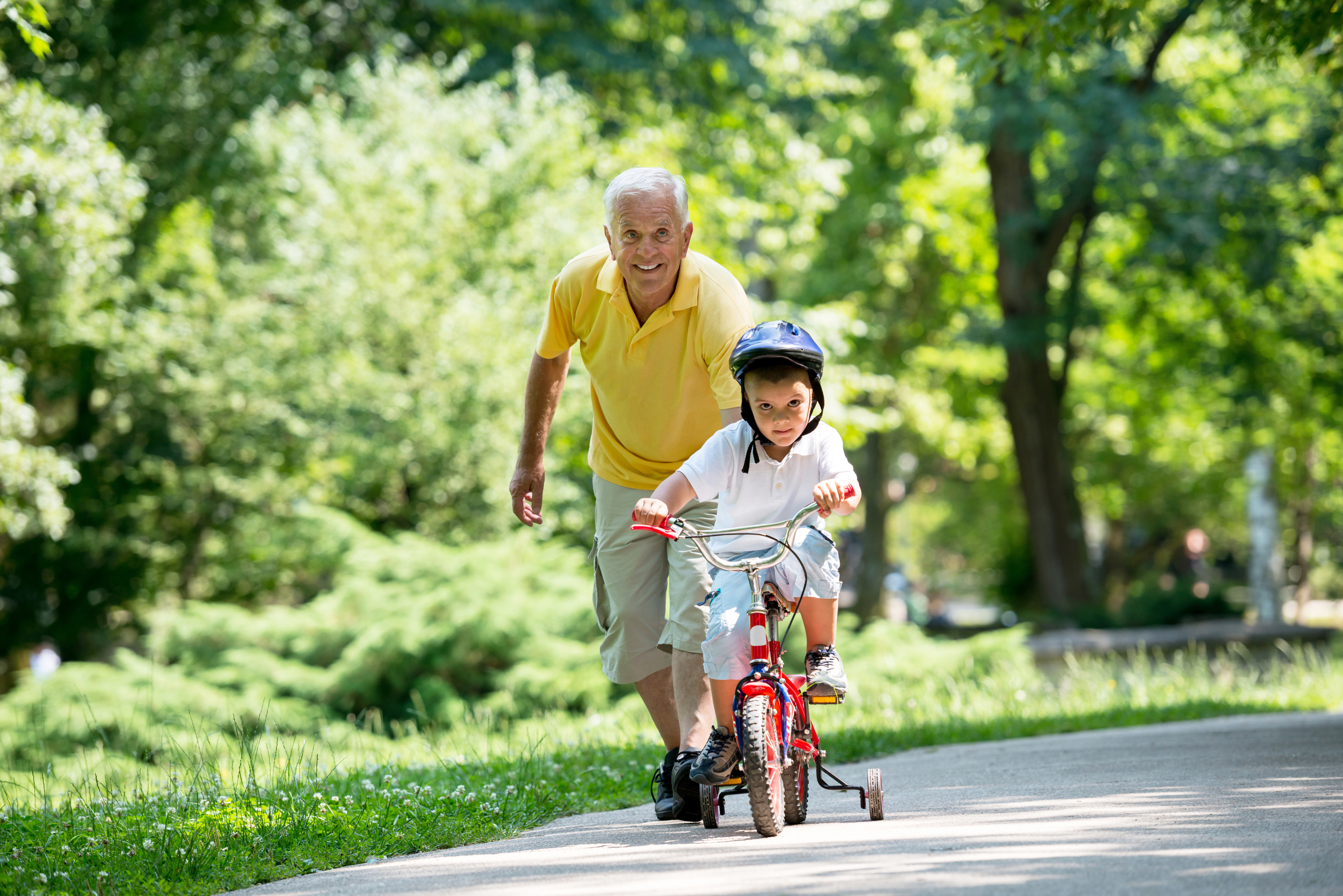
A fresh perspective. Support and encouragement. Mutual understanding. Intergenerational relationships are a lovely, tree-lined two-way street, truly a gift that keeps on giving. That special bond between grandparent and precious little one provides food for both souls. Each brings a smorgasbord of treats to the table. For Mom and Dad in the middle, sharing time with both their kids and parents is special and priceless.   When families are separated by miles, seniors can find ways to spend time with kids in the community and create friendships that nurture, enlighten and expand the horizons of both the young and the young at heart. Benefits of Intergenerational Relationships ·         Mutual Exchange of Knowledge You’ve been around the block and know a lot of stuff kids don’t. But guess what? They know a few things that may surprise you as well. Sharing your wealth of experience and learning about their world in return is a win/win for everybody.  And if you’re lucky, your new friend will help you download or upload or whatever it is you need to do on your phone or iPad. ·         Create Positive Feelings Reaching out to younger people is a great way to generate positive energy and combat feelings of loneliness and isolation , especially for those who have lost a loved one. ·         Improve Your Health Would you believe children are great for your health? Apparently, studies suggest adults who spend time with children burn 20% more calories per week, are less likely to experience a fall, and tend to perform better on memory tests. ·         Leave a Legacy Through our intergenerational relationships, older adults can pass on our skills and wisdom and send a personal message into the future. For kids, spending time with older adults can positively impact self-esteem, improve social, reading, and communication skills, and create a new respect for their parents and grandparents. A relationship with an understanding older friend can also provide a safe place in which to speak freely about issues they might not feel comfortable addressing with friends or parents. Sign Up! There are all kinds of organizations that facilitate intergenerational relationships. Volunteering at a school, library or with a youth group is a great way to get started. Dispelling negative and inaccurate age-related stereotypes, these programs allow for open exchanges that promote compassion and empathy. Share Experiences When you do get the chance to spend time with a younger person—whether it’s your own grandkid or someone else’s—here are a few suggestions for activities to enjoy together. ·         Create a garden ·         Listen to each other’s music ·         Share your family history with a favorite photo album ·         Read a book together ·         Enjoy a movie ·         Dine out at a restaurant ·         Picnic in the park ·         Take a walk ·         Bake cookies As American cultural anthropologist Margaret Mead said, “Connections between generations are essential for the mental health and stability of the nation.” Reach out and welcome the opportunity to engage with the younger generation. It may be the start of a beautiful friendship.  

Read more