
Blog Posts

Transitioning to An Active Adult Community: Emphasizes Self Care-image

  The house is filled with cherished memories. It’s also loaded with extraneous stuff, amassed over decades, that is no longer essential to your lifestyle. The former is lovely, but not really a reason to continue living in a space that has outlived its purpose. The latter is just baggage keeping you from thoroughly embracing what should be a new, stress-free—and clutter-free—life. The good news is your memories of the past can come with you wherever you go. The better news is you can streamline your life and start fresh in an environment designed specifically to cater to your present and future. As more and more of the 55+ population is discovering,  active adult communities are the logical choice for “rightsizing” your life. Many say they had a difficult time cutting the cord but once they took the plunge, their only regret was not making the move sooner. There is no doubt transitioning out of the old and into the new is an emotional journey. There is a general reluctance to leave the familiar and the fear of the unknown can loom large. But when you weigh the pros and cons, the pro side of the scale is fully loaded with all the positive, life-enhancing opportunities that await. Here are a few guidelines to help alleviate the stress of moving and create a smooth transition into the active adult community of your choice. Do Your Homework Once you’ve decided on your dream location, type of living space, and the activities that would fulfill your wish list, conduct thorough research. Become fully aware of all the costs involved and study any contracts or financial reports with your lawyer or accountant. Talk with current or former residents and plan a visit to the properties that includes extended time, so you can get a real feel for the place. Bring the Kids Keep the kids in the loop as you wade through the selection process. Understanding where you are going and how you will be living will help relieve any questions they may feel about the move. Once they’re on board, they can be a great source of help and support. Call in the Pros Part of the weight of “rightsizing” into a new home comes from the tremendous task of getting out of the old one. Professionals who specialize in relocation to retirement communities can help you decide what to keep, leave behind, sell or give away. Dive Right In The sooner you get involved in activities and classes, the sooner you will meet other active adults who share your interests. Once you start taking advantage of the daily opportunities for social interaction, your neighbors will quickly become your new friends. Attitude is Everything A positive attitude and an open mind will go a long way in maximizing your active adult experience. Life will be precisely what you make of it, depending on your level of participation. The best part of living in an active adult community is knowing there are always people there for you when you want or need them. There is always the option to spend time on your own, but you never have to feel alone.   Sure, it’s nostalgic to walk by your kid’s room and stare at all the old sports trophies. But,  put that up against a whole new community of welcoming enthusiastic peers, and daily opportunities for social, intellectual, spiritual and emotional growth, and, well…it’s a no-brainer. Active adult communities celebrate you and this unique and exciting phase of life. With the whirlwind of activities, you’ll have to be sure to schedule in time to sleep!

Read more
The Guys at Breakfast-image

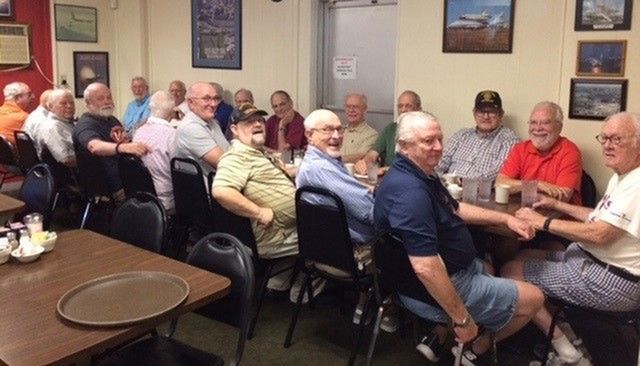
When Dan and Bonnie Carlson rightsized and joined the active adult apartment home community at  Overture Ridgmar, Dan was anticipating stress-free, turnkey living in an environment that would cater to the physical, mental and social needs of this chapter of life. Little did he know the opportunities to expand his horizons would include transforming a bunch of neighbors into a supportive, cherished, inclusive group of new friends. The Guys at Breakfast By Dan Carlson In Fort Worth, Texas, the “go to” place for good food and great service is the West Side Cafe.  If you stop there on a Tuesday morning, don’t be surprised by the mob of guys sitting in the back room talking, laughing and enjoying breakfast together.  The restaurant knows to expect this crew and, though doctor’s appointments and other alibis can cause the numbers to fluctuate, a solid ten to twenty guys make it a point to show up every week. I am proud to count myself a member of this merry band.  We are all neighbors at Overture Ridgmar, a 55+ Active Adult Apartment HomeRetirement Community and on Tuesday mornings, we form up and car pool to our weekly gathering.   A casual diner walking into the West Side Cafe might be inclined to simply write us off as a rag tag collection of “old guys” with grey hair (or, in some cases, no hair).  But that would be a mistake. Having had the good fortune to spend time with these fellows and get to know a little bit about them, I can testify to the fact that the experiences, depth of knowledge and record of accomplishments around that table are, in a word, remarkable.  Many of my breakfast colleagues have founded and managed businesses. Others have performed design work in aeronautics. There are medical professionals, men with legal backgrounds, advanced teaching credentials, two preachers, a musician, and a banker. Military service is a common theme among us, but you would never know it based on our Tuesday conversations. Nobody aggrandizes their time in the armed forces.  You have to ask…and ask again…to learn what they have done in service to our country. Early in my career as a police officer I learned that, occasionally, people would decide to resist arrest. They would raise their fists and declare loudly: “I’m not going to jail. I’m going to kick your ***! Caution was always important, of course, but in most cases I found those bold declarations to be little more than bombast.  On the other hand, those who quietly assumed a bladed and balanced stance, kept their hands free, made direct eye contact and didn’t say a word always impressed me. It was clear those folks knew how to handle a physical confrontation. They didn’t have to broadcast how tough they believed themselves to be. In my experience, the same applies to military veterans.  Maybe it is just me, but when someone repeatedly expounds on their military heroism without being asked, I tend to be suspicious of their declared credentials.  It is the quiet one, the one who has to be prodded to talk about his experiences, who usually has the most impressive story. For example, there are a number of retired Vietnam veterans in our Tuesday breakfast club, including a KC-135 pilot, a member of a B-52 crew, a Helicopter pilot, a Swift Boat crewman, a West Point graduate who commanded an artillery battalion, and several enlisted “ground pounders.”  We also dine with a veteran of the Korean conflict who, at age 19, parachuted into North Korea. None of the men around our table talk about their military experiences unless prompted, but each is rightly proud of what he has done in service to our country. Though to the casual observer, we may seem like a bunch of older guys talking Texas Rangers or sharing remedies for our aches and pains, there is so much more going on at that table. I have been and continue to be privileged to get to know and learn from some truly extraordinary men.   Every day my wife and I remind each other how fortunate we are to have found Overture Ridgmar almost two years ago. There is so much to celebrate about our new life as part of this exceptional active adult community. No doubt one of the most rewarding benefits is my new group of incredible guys who have turned Tuesday breakfast into a much-anticipated weekly highlight. The health benefits of socializing for active adults cannot be overstated. To that end,  Overture’s 55+ active adult apartment home communities focus on bringing people together to create meaningful and lasting new relationships and a true spirit of community. Just ask Dan Carlson whose hopes for building an active social life at Overture Ridgmar have exceeded all expectations. Learn more about his experiences at https://danbonbooks.blog. ABOUT AUTHOR   Daniel Carlson Daniel Carlson is a retired police officer, former law enforcement educator and present-day active author. He and his high school sweetheart Bonnie, have been married for over half a century and have recently co-authored a book titled, “Home Sweet Apartment…Getting Rightsized in Our Seventies.” The young at heart couple are currently loving life at Overture Ridgmar , which is in the Great State of Texas, and in purposefully close proximity to their three children and seven terrific grandchildren. Connect with Dan via: Website: www.danbonbooks.com Facebook: Facebook.com/danbonbooks Blog: www.danbonbooks.blog

Read more
Why Choose an Emotional Support Dog-image

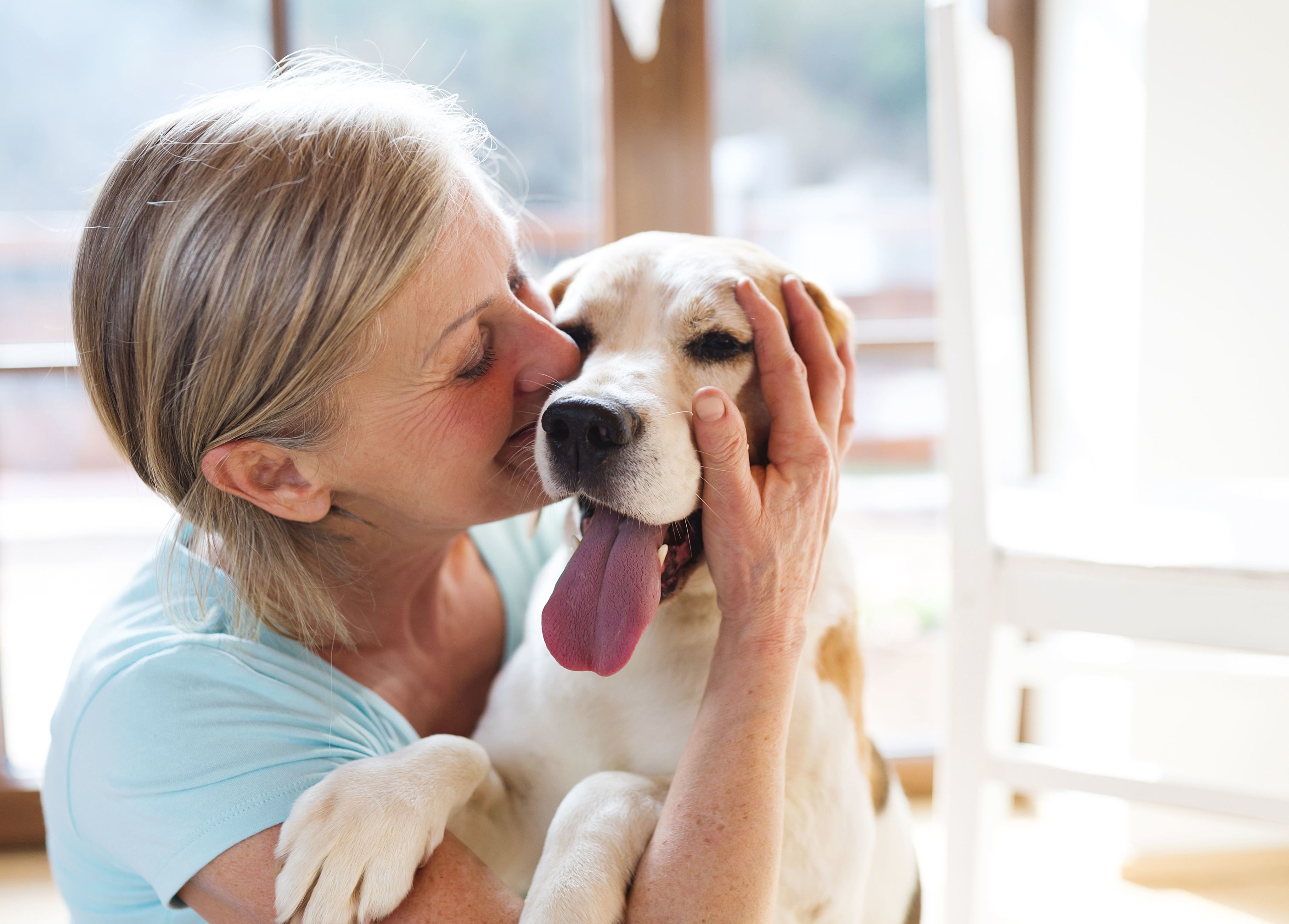
  “Happiness is a warm puppy,” said the late cartoonist Charles Schulz, who may or may not have realized the scientific accuracy of that statement. Bonding with a furry friend for even a short period of time can, in fact, stimulate the production of serotonin, along with prolactin and oxytocin, promoting feelings of happiness and wellbeing. Cute, cuddly, andan excellent anti-depressant? No wonder emotional support dogs are a popular choice for many seniors.  As we age, isolation is the single biggest threat to our mental health. Kids leave town, the old neighborhood changes, or a loving spouse passes away, and the days can loom long and lonely. Research shows that dynamic social connections are vital to a senior’s physical and mental health - a key reason more and more are flooding to active adult communities. An emotional support dog is the extra bonus that makes coming home after happy hour or a favorite class something to look forward to. Beyond reducing stress and lowering blood pressure, a dog will keep you rooted in the present. They don’t worry about the future or the past. They express joy in the here and now, an attitude that tends to rub off on people. And let’s not ignore the physical benefits that come with caring for a dog. Studies show that  seniors with dogs walk farther and faster than their dog-less peers. Clearly, this is a lifestyle choice that supports your heart - literally and figuratively. When choosing an emotional support dog, be sure to carefully consider breed, size, temperament, and most importantly, age. The last thing you need is a puppy that requires constant care. Older dogs that are calm and well behaved make great companions for older humans. Check out these top ten best dogs for seniors. 1. Pug Adaptable, charming and eager to please, pugs are affectionate and playful and do not require a lot of exercise. They do tend to shed quite a bit, especially in warmer climates. 2. Schnauzer Schnauzers are energetic, playful and trainable and though good with children, they can have strong guarding instincts. They come in a variety of sizes, including miniature, which makes them a great choice for limited space. Keep in mind they have a medium energy level, so playtime will keep you moving. 3. Cocker Spaniel With their even temperament, cocker spaniels are a popular breed. They can weigh up to about 20 pounds, and do tend to be energetic. They also require a bit more grooming than some of the other options. 4. Chihuahua What chihuahuas lack in size, they make up for in personality. They love being showered with affection but can become protective. With that being said, they may take a bit of training to deal with children. They are active, but so small they can get adequate exercise by playing indoors. 5. Boston Terrier Boston terriers have it all. The right size, temperament, minimal grooming requirements, and love for their owners. Happy go lucky and playful, they will be delighted to do whatever you are doing. 6. Shih Tzu Despite their tendency to bark, shih tzus are friendly and playful. They are bred to be companions and enjoy indoor playtime, daily walks, and sitting on their owner’s lap. Warning: That long gorgeous coat doesn’t comb itself. 7. Beagle Beagles are great for fitness-minded folks who like a good walk. They are loyal, friendly, and playful. Although they do shed, with regular brushing, their coat is easy to care for. 8. Poodle From tiny to large, poodles come in a size for everyone. Their hypo-allergenic coats are a plus, as is their adaptability. Smart, and easily trained, poodles are the 7th most popular breed overall. 9. Yorkshire Terrier Yorkies are small, adaptable, and usually get enough exercise with a daily walk. Their long hair requires extra grooming, but your reward is a pet that is intelligent, loyal, and lively. 10. Pomeranian Small, lightweight, and easy to handle, Pomeranians love attention and brushing. They are energetic but don’t require a lot of exercise. They are adorable and slightly noisier than some other breeds. Whether you live alone, are dealing with a chronic illness, or just miss the kids, emotional support dogs can be life-changing and life-extending, fostering feelings of love and connection. One little ball of furry fun can make a big impact on your health and happiness. When I look into the eyes of an animal I do not see an animal. I see a living being. I see a friend. I feel a soul. - AD. Williams  

Read more
5 Alternatives to New Year’s Resolutions-image

  Looking forward to the new year with energy and optimism? Then, by all means, take that list of traditional New Year’s resolution ideas and toss it immediately! Creating a list of unrealistic goals for the coming year is like shooting your spirit in the foot. Instead of enhancing your wellbeing, you become your own judge and jury. Inevitably when you fail to follow through on promises to change who you are, the verdict is: Guilty - of disappointing yourself. Instead of focusing on what you perceive as negative spaces that need filling, take stock of all the positive pieces of your life. Contemplate the types of changes that are compatible with who you really are. Here are 5 suggestions to consider, as you ponder ways in which you can enrich yourself and your life in the coming year. Recharge Social Connections The older we get, the more critical it is to our health and wellbeing to spend time with people who lift us up. Make a list of the friends and family members who bring out the best in you, the people who make you smile even as you think of them. Make it a point to reach out to them regularly and make dates to get together for dinner, coffee, cocktails or an exercise walk. Why not plan a weekend excursion? Resolve to be present in existing relationships and commit to pursuing opportunities for new ones as they arise. Take a Moment to Reflect Sometimes it takes a deeper understanding of the past to create a better future. Take a realistic look at this past year; the good, the bad, and the ugly. Sit quietly and write your thoughts in a journal. You may be surprised at what appears on the page. Or if you don’t want to put pen to paper, meditate on your year’s journey to see where you were, where you are, and how you got here. Be kind to yourself, not judgmental. An Attitude of Gratitude While others are burdening themselves with promises they can’t possibly keep, why not resolve to regularly express gratitude for the many gifts in your life. Actively showing gratitude creates positive energy that impacts self-esteem and stress levels. Make a list of all that you are grateful for, including the people who add beauty to your world, and don’t forget to let them know how you feel. Gratitude is like a boomerang. Put it out there and it will always come back to you. Make Changes in Baby Steps Exercising and eating healthy are not really New Year’s resolution ideas. They are more pervasive lifestyle goals. Unfortunately, resolutions that seek to dramatically alter existing food and activity habits will most likely fizzle out quickly. So, don’t resolve to cut your favorite food out of your diet, or expect yourself to jump up off the couch and run a mile. Instead, commit to baby steps like adding more fruits and vegetables to your diet, and taking a walk with friends around the neighborhood. Those little victories can eventually lead to significant permanent change. You Deserve a Break Every so often it’s nice to jump off the merry-go-round of life and take some time off just to focus on someone or something you love. This could mean taking a day in the country with a family member, relaxing by a pool with a great book, grabbing an afternoon movie with a friend, or signing up for a yoga or meditation retreat.  Make it a point to indulge yourself occasionally to renew your spirit. Paying attention to your own needs makes you better able to be a supportive friend, parent or colleague. Successful New Year’s resolution ideas are not about becoming a different person. They are about supporting your efforts to be your best self. So, don’t bemoan the stranger you think you should be. Instead love who you are and be proud of achieving your personal goals. Happy New Year!  

Read more
How to Practice the Five Dimensions of Wellness-image

  Wellness: The state of being healthy in body and mind, especially as the result of deliberate effort. A simple word that literally translated means the absence of illness has evolved into a committed lifestyle that integrates all the dimensions of wellness. Addressing our physical condition is always a critical component to wellness, but as we age, it becomes imperative that we adopt a more global approach that pays equal attention to our emotional, spiritual, intellectual and social health. For many, the answer lies in moving to an  active adult community where the environment is specifically designed to facilitate all aspects of wellbeing. No matter where you live, the pursuit of wellness is an ongoing, dynamic process, that is fluid and constantly changing to optimize each phase of our lives. As you ponder the best way to embrace the five dimensions of wellness and make the most of this exciting new chapter, here are a few tips to inspire. Physical The importance of exercise as we age cannot be overstated. Nothing good happens sitting on the couch all day. Try to keep it moving for at least 30 minutes a day three times a week and you will feel the difference in your strength, flexibility and endurance. Integrate plenty of fruits, veggies, fish and nuts into your diet. Try not to overdo red meat, fried foods, sodas, alcohol and sugary stuff. Don’t skip meals. It can slow your metabolism and lead to weight gain. Try to get 6-8 hours of sleep a night. Stay current with your health screenings and maintain a regular relationship with your medical professional. Social Isolation is a proven threat to seniors’ well-being. Continued effort to build strong, healthy relationships will reward you both physically and mentally. Staying involved with others will keep you sharp and engaged. Join clubs to meet those with similar interests. Maintain a sense of purpose by sharing projects, helping others through volunteering or just joining a group for  happy hour or a cup of coffee Take a step out of your comfort zone and try a new hobby, activity or class. You never know who you will meet. If your neighbors have moved and your home is feeling lonely and isolated, consider relocating and becoming part of a welcoming,  55+ active adult community. Emotional A positive attitude can impact your life and the lives of those around you. Try to maintain optimism and manage your responses to life’s up and downs. Explore different methods of stress relief like yoga, tai chi or meditation. Emotional control is the key to how we deal with the world. Appropriately expressed emotions are healthy and important. Inappropriately expressed emotions can derail the other four dimensions of wellness. Find someone you trust to share your feelings with. Seek professional help if you find your emotions are getting the better of you. Intellectual The more you continue to learn and use your intellectual capabilities, the sharper you will be. Take a class or join a group to pursue an interest you’ve never had time for until now. Join a book club and expand both your mind and your social circle. Go to a lecture on a subject you enjoy or with which you are completely unfamiliar. Seek out new experiences to continue to grow and change. Spiritual Take a moment each day to center yourself and appreciate the world around you. Enjoy the gifts of nature by taking a walk or simply sitting on a quiet park bench. Take a yoga or meditation class. Practice gratitude for all the gifts in your life. Integrating practices into your lifestyle that address all the dimensions of wellness is the key to a longer, healthier life. This is your time. Make the choices that empower you and it will be the time of your life.  

Read more
Refresh Your Space With Easy Care Indoor Plants-image

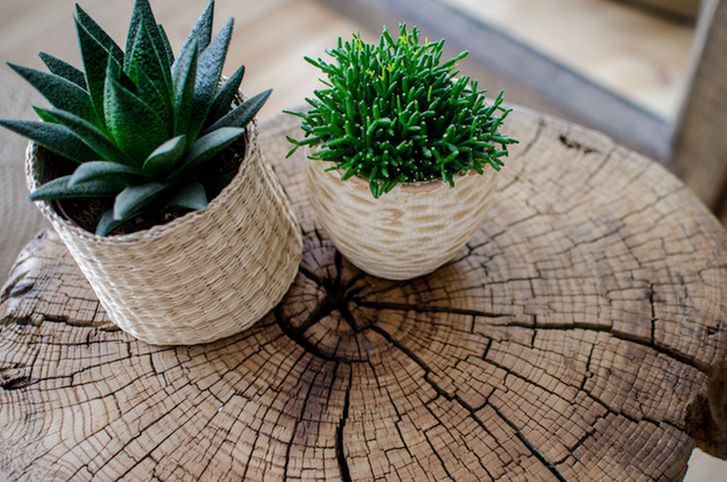
  If you’re looking for a design element to  spruce up your living space , low maintenance indoor plants are a great option. Not only do they add color and beauty to the environment, but they also make it healthier. Add in the minimal cost and you’ve got a home improvement that checks all the boxes. If you are all thumbs when it comes to gardening—and none of them green—have no fear. There are plenty of great choices that will survive with minimal effort. Aloe Known for their plump leaves filled with a soothing gel that can relieve cuts and burns, aloe plants can grow as high as 3 feet and become a significant part of your décor. There are also smaller varieties that work great in limited spaces. Aloe likes sunshine and room temperatures of about 70 degrees. Typical of a succulent, it thrives in dry soil so it’s best to avoid overwatering. Depending on your home’s humidity, your aloe plant may only need watering once every two to three weeks. Snake Plant The snake plant, or mother-in law’s tongue, is another succulent that flourishes in pots and is happy to be ignored for weeks at a time. It prefers dry air and soil.  Its thick waxy leaves grow upright, and some varieties have yellow or white edges. Its small white flowers bloom only occasionally. In spite of its mother-in-law moniker, it could not be easier to deal with and thrives in a wide range of lighting and temperatures. Jade Jade is another great low maintenance succulent that adds interest to the décor with its thick lush leaves and attractive branches. This slow growing plant is yours for the long term and looks great in a pretty pot next to other succulents. If you keep the soil on the dry side and provide bright light, your jade plant will be a permanent fixture for as long as you want it. Pothos Pothos is a fast-growing member of the philodendron family that has trailing leaves and works well in a hanging basket. Its ability to strip and absorb toxins makes it a favorite air purifier. You’ll have to cut back its fast-growing stems every now and then, so they continue to look full and healthy. Your pothos will survive at normal room temperature, as long as you allow the soil to remain somewhat dry between watering. Bright light is preferred as low light will not kill it, but it will diminish the leaves variegation. Rubber Plant For a burst of greenery that makes an impact, try a rubber plant. Easy to grow and attractive, your rubber plant can grow into an 8-foot-tall focal point. For a less dramatic statement, create a smaller shrub shape by pruning long stems. Happy in medium to bright light, and room temperatures between 60 and 80 degrees, your rubber plant need only be watered when the soil is completely dry. Dieffenbachia or Dumb Cane The large colorful leaves of the dieffenbachia or dumb cane plant add a tropical flair to any space. They can grow to up to a foot in length on a plant that can reach a six-foot height. For best results, place in low light, prune regularly and keep the soil evenly moist. Think of greenery as the decorative accent with Mother Nature’s seal of approval. With minimal TLC, any one or combination of low maintenance indoor plants will add a  fresh new ambiance to your living environment.  

Read more