
Blog Posts

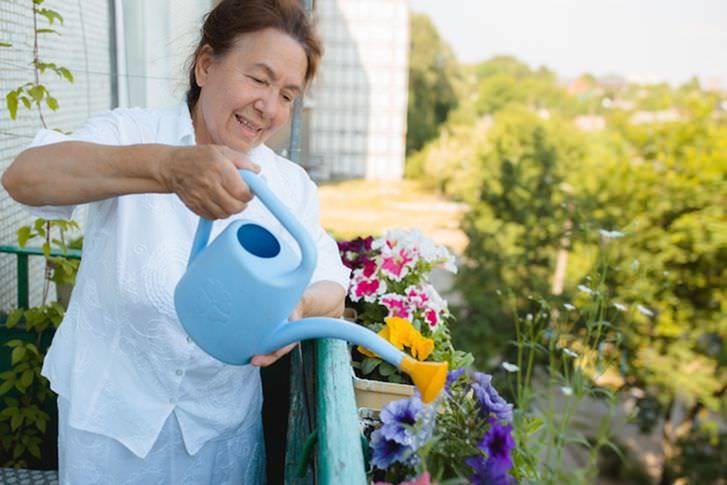
Healthy Benefits of Gardening-image

  If you sit outside, you get lots of fresh air. Take a walk, and you keep those legs moving and your heart pumping. Pull out the knitting needles or the sewing kit and you’re supporting the dexterity of your hands. Indulge in a pursuit that ignites your passion, and you’ll lift your spirits while stimulating your brain. Hard to imagine one activity that could boast all of those physical and mental rewards. Unless that activity is gardening. The physical and psychological benefits of gardening cannot be overstated. For starters, as a low impact exercise, it involves stretching, bending, squatting, and twisting, all of which improve balance and joint flexibility. Gardening also soothes the soul and relieves stress as it connects participants to the beauty and serenity of the outdoors. As a senior who has enjoyed a lifelong passion for gardening, you may worry that age-related issues will interfere with your ability to stop and plant the roses. But thanks to options like container gardens, window boxes, and patio pots, those limitations can be easily accommodated without impacting the joy of the experience. That flexibility also makes gardening a wonderful new hobby for active adults looking to expand their horizons. Follow these simple common sense guidelines and all the benefits of gardening will be but a trowel of soil away. Protect your skin from the elements with plenty of sunscreen—especially on the lips, a generous dose of bug repellent and a hat that really covers. FYI, If your grandkids are not making fun of that hat, it is not big enough. Complete the ensemble with sturdy shoes, sunglasses, and gardening gloves. Try to get outside in the mornings and evenings when the temperatures are cooler and the sun is less of an issue. Have plenty of water handy to maintain hydration. Get a better grip on gardening tools by wrapping foam around the handles or sliding foam tubing on them to make them thicker and easier to control. Try adding bright colored tape so they will be easy to find if dropped. Rotate activities to avoid overtaxing any particular muscle group. Remember to bend at the knees and hips to avoid back injury. Check out some of the great gardening products specifically designed for seniors, such as kneeling benches, ergonomic tools and rolling scooters that can make life in the garden even more fun. If there are a few tasks that require a little extra oomph, get the kids and grandkids involved. It will be great quality time together. If your current living situation does not include space for a backyard garden, add a few pots to your patio or become part of a community garden group. You’ll enjoy the gardening and the team spirit. Whether planting and pruning in solitude or enjoying the company of other enthusiasts, gardening is a pastime that engages the mind and body in a myriad of positive ways. So get out there and find your bliss among the flowers and greenery. Ready, set, garden!

Read more
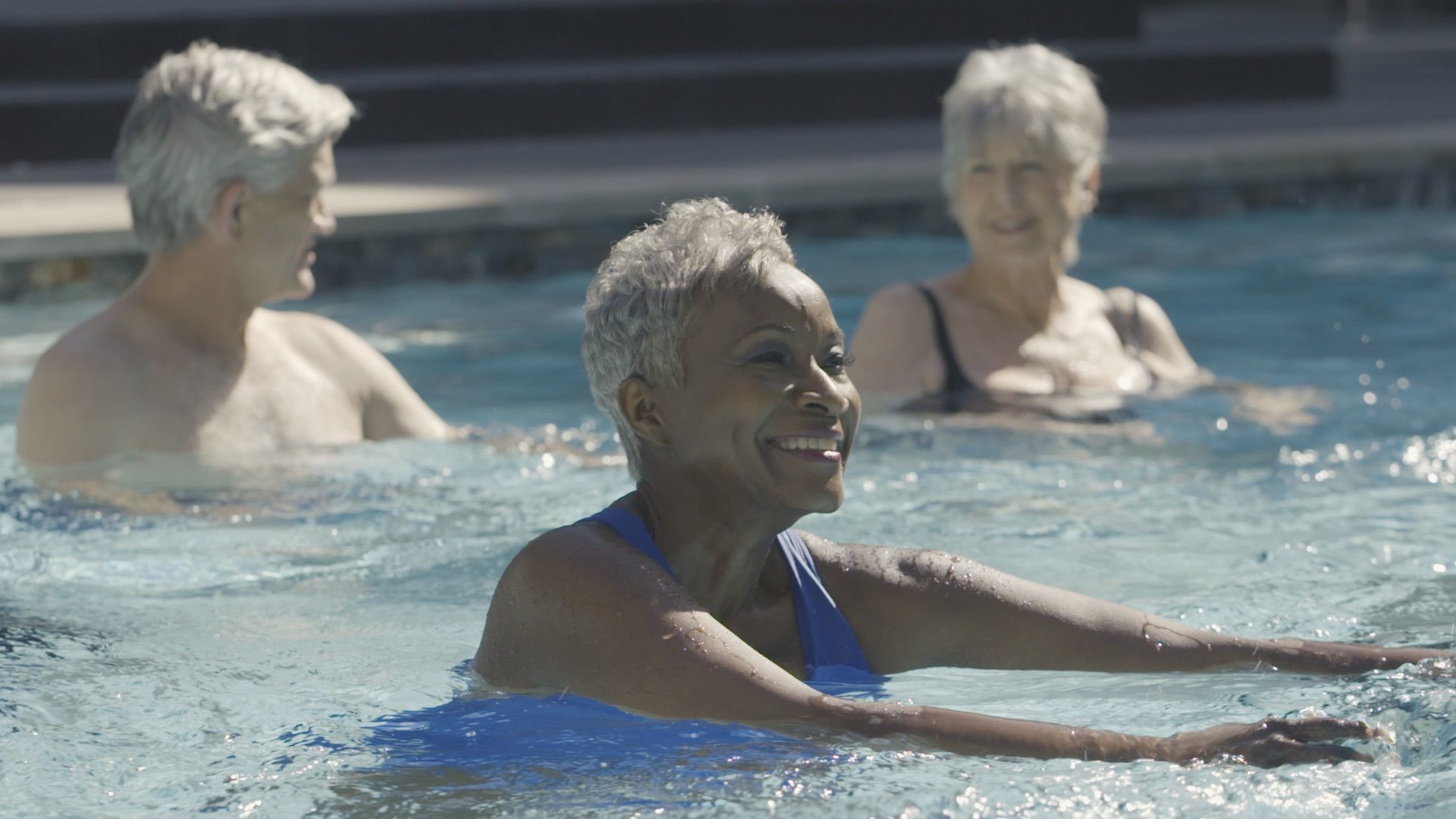
Swimming Safety Tips for Active Adults-image

  Nothing calms the spirit and soothes aching joints like exercising in crystal clear, perfectly heated water. Whether you’re into water aerobics, aqua yoga or enjoy the energizing rhythm of swimming laps, water sports are your best friend. Even if you’re just in the pool splashing around, you’re improving both body and mind. At every age, the cardinal rule of water activity is safety first. But each age group is vulnerable to different dangers in and around the pool. For example, advice on swimming safety for seniors may not necessarily include a warning about running in the pool area, but it will point out potential hazards that take a senior’s unique reality into account. Before you take the plunge, consider these swimming tips. Get a Doctor on Your Swim Team Before you don that new swimsuit for your great pool workout, check in with your doctor to make sure everybody is on the same page about your fitness level and abilities. Know Your Limits Fact: You are not training for the Olympics. It’s great to set goals for yourself but it’s important to be respectful of your limits. If you find yourself out of breath, or fatigued, get out of the water and take a rest. Don’t be disappointed if you don’t finish all the laps you planned. Feel good about whatever you did. Stay Alert—Medically If you wear a medical alert pendant, be sure to get a waterproof version you can wear in the pool. You can also give one to your swimming buddy, just in case. …And You Do Want a Swimming Buddy One safety rule is universal, no matter how old the swimmer: Never swim alone. It’s always best to swim in pairs to have a backup in the event of an emergency. When two buddies look out for each other, it’s safer and double the fun. It’s Not a Race Take your time getting in and out of the pool. You don’t want to slip or lose your footing and become injured. Pool Shoes Are In Pool bottoms can be slippery or rough in texture and tough on sensitive bare feet. Many seniors feel safer with water shoes that provide traction and protection from painful surfaces. Clear the Decks Nothing can ruin a great pool workout like a trip to the emergency room. Make sure the pool area is free and clear of potentially dangerous obstacles before you get in or out of the pool. A noodle or kickboard carelessly left in your path can be a serious accident waiting to happen. Safety Bars—Just Say Yes If your pool facility does not have a safety bar to assist with entering and exiting the pool, speak to the management about installing one. It can be a very helpful tool for those who have difficulty getting in and out and can double as an exercise bar for anyone so inclined. Once you’ve created a pool environment that specifically addresses swimming safety, your pool time will become the highlight of the day. It will be the happy hour—before Happy Hour!

Read more
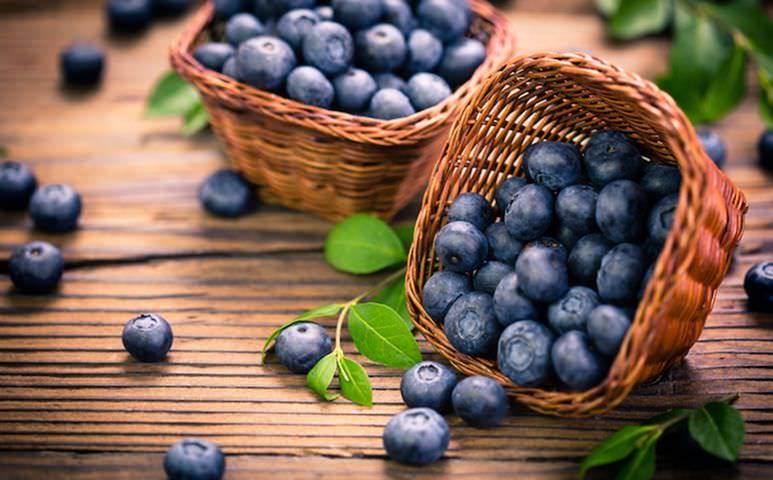
Foods that Boost Brain Health-image

  We are what we eat. It is as simple—and as complex as that. What we ingest affects every fiber of our being, including that critical space between our ears. In fact, the older we get, the more our brains need the right fuel to nourish and protect against damage and degeneration. While there are no specific foods or food combinations that will definitely fend off Alzheimer’s, there are plenty of items on the shelves that are thought to specifically support senior nutrition and help reduce the risk of future dementia. Check out these top choices. Avocados Get an A+ Yes, avocados are high in fat, but they are monounsaturated fats, the “good” kind, that keep your skin glowing and your blood sugar stable. Rich in vitamin K and folate, these friendly fruits help protect against strokes while boosting both memory and concentration. Their creamy texture makes them a great choice for smoothies or a replacement for less beneficial fats in baked goods. Beets are Unsung Heroes Beets are like sensible shoes. They are not cool, but boy do they get the job done! Beets are not only loaded with cancer-protective antioxidants, they also contain natural nitrates which actually increase blood flow to the brain, enhancing cognitive performance. It’s easy to roast them and create a tasty side dish or toss them in a salad. Blueberries or Brain Berries? With loads of vitamin C, K and fiber, blueberries are off the charts when it comes to antioxidants. But, it is their high levels of gallic acid that protect the brain from stress and degeneration. You don’t have to be terribly creative to get your daily dose of this brain food. Simply throw a bunch over cereal in the morning, add to a smoothie or salad or just grab a fistful and eat them for a snack. Healing Bone Broth Bone broth is chicken soup for the brain. Its high levels of collagen help heal intestinal inflammation while its amino acids like proline and glycine support the immune system and improve memory. It’s easy to find a great recipe or you can find a ready-made brew that will do the trick. Eat Your Broccoli Remember when you were a kid, and everybody was bugging you to eat your broccoli? Well, if you had eaten your broccoli, you would remember! Thanks to its high levels of Vitamin K and choline, broccoli helps keep the memory firing on all cylinders. And one cup provides you with more than 100% of the recommended daily intake of vitamin C. If plain broccoli turns you off, there are plenty of recipes to spruce up its appeal. This is Your Brain on Chocolate Chocolate has flavonoids which can lower your blood pressure and improve blood flow to both the heart and brain. But the good news comes with a caveat: Skip the milk or white chocolate and treat your brain to dark chocolate with at least 70% cocoa. The darker the chocolate, the better the health benefits. Those chocolate covered berries or chocolate chip cookies will taste just as yummy with dark chocolate and you’ll feel less guilt for the calories! For more brain healthy nutrition tips, try an active adult  cooking class . You’ll have a ball with friends while cooking up healthy, delicious meals full of the foods you need to keep you sharp and sassy. It’s a no-brainer—for your brain!

Read more
Best Wine Destinations Outside Napa-image

  Scenery. Comradery. Great spirits—literally and figuratively. When it comes to retirement travel ideas, a trip to wine country checks all the boxes. That’s the good news. The even better news: You don’t have to invade your savings and fly to France or Napa to experience the joys of wine tasting. There are some less well-known wine destinations—possibly right in your own backyard—that are exactly what the sommelier ordered for a perfect, affordable, wine adventure. Texas Hill Country To most of us, Texas is more about cowboys, than cabernet. And yet, its mid-state hill country is a well-established wine producing region with over 50 stunning wineries scattered throughout. With its dry climate, comparable to Australia and Spain, Texas features wines like Cabernet and Syrah, made from grapes that flourish in the heat. If you like a little hiking with your tasting, the hill country’s untouched wilderness will add to this wine destination’s appeal. For active adults enjoying the culture and sophistication of daily life in Austin , Texas wine country is but a short drive away, making it the perfect getaway. Lancaster Valley, Pennsylvania Where only three decades ago there were a mere handful of wineries in Lancaster Valley, today there are more than 20 and their wines are beginning to give competitors out west a run for their money. This emerging wine region is located in the heart of Amish Country, an area oozing with old world charm, as well as exquisite cuisine and contemporary art. See the sights of Philadelphia and then hop in the car and head out to Lancaster for a day in wine country, and well…just the country. Virginia Though Thomas Jefferson is remembered as many things, a vintner is not one of them. Though he tried to harvest wine-worthy grapes at Monticello, he apparently did not have a green—or purple—thumb. Imagine his surprise at learning his beloved Virginia is now a major up and coming wine region with nearly 300 wineries and dozens of popular wine trails. The scenery is lavish, the views breathtaking, and the small quaint towns and historic sites make Virginia wine tasting much more than sniff, sip, swish and swallow. In fact, a day out on the wine trail can include live music, hot air balloon rides and culminate in an exclusive winemaker’s dinner. If you are lucky enough to be living the good life in  Virginia Beach , there are plenty of wineries nearby that can be a delightful day or weekend trip. Colorado Colorado is a fixture on the craft beer scene, but its wines, and spectacularly located wineries, are worthy of note as well. Nestled in the high altitudes of the western slope of the Rockies, where warm days and cool nights create ideal conditions for Merlot, Chardonnay and Riesling grapes, Colorado’s wineries are some of the highest in the world. Nature lovers will be thrilled by the stunning views and great hiking that provide the backdrop for this wine destination. For active adults living in the  Denver area, there are also dozens of wineries and tasting rooms within shouting distance. It will be a day trip you and your buddies will remember! Plan an outing to any of these hidden gems, and you’ll be the envy of the gang at  Happy Hour as you share the fruits of your new discoveries.  

Read more
Tips to Start Planning for Retirement-image

  Retirement. Ahh. The good life of fun, relaxation and leisure time. That precious commodity so elusive in our younger years. But don’t be fooled. That laid back, less structured, carefree lifestyle requires planning. Preparing both emotionally and financially for this exciting new adventure will pave the way for an easy, stress-free transition. Here are some guidelines on how to plan for retirement. You’re Thinking About It As your target retirement date approaches the 5-year mark, it’s time to take a realistic look at your savings and retirement accounts to see just how much money you will have to live on once the regular paychecks stop rolling in. Be sure to consider taxes in that total. If that amount is considerably lower than what you are currently living on, it might be a good idea to start cutting some expenses. Try living on your retirement budget for a month to see exactly which adjustments will need to be made.   This is also the time to begin thinking about creating a more conservative portfolio that will deliver a dependable stream of investment income. As you enter this stage of planning your retirement, it’s time for the rightsizing conversation. It’s very possible your current house no longer suits your needs and is more a source of aggravation than enjoyment. This is the time to consider becoming part of an active adult community . While you’re still receiving a paycheck, try increasing the amount you put aside to start creating that retirement cushion. It’s Around the Corner Discuss your social security options with your spouse and financial advisor. The earlier you take it, the smaller your check will be. Study the numbers to see if it works to wait a little longer and take home a larger check each month. Your current employer may allow you to retain health insurance benefits when you retire. But, if that is not the case, now is the time to make sure you have a post-retirement health insurance plan firmly in place. You might want to think about taking care of any elective procedures before your benefits situation changes. Planning for retirement is a great opportunity to get organized. Make sure all your important documents are updated and easily accessed by loved ones should the need arise.   Now is the time to consider any major expenditures you’ve been putting off. They will make much less of an impact on your daily life while there is still money coming in. You’re Counting the Months Now that you’ve moved all the financial pieces into place, it’s time to consider how you will spend your newly acquired free time. Think about the hobbies you’ve always wanted to pursue or the new skills you’d like to learn. Explore new outlets to expand your social horizons and make new friends. It’s possible leaving your current position does not necessarily mean you are ready to stop working altogether. Should you need or desire to embark on a new work path, this is the time to seriously check out the options. This is your time and with a little effort and attention to the details, it can be joyous, filled with enlightenment, discovery and new relationships. The golden years can be truly golden if you—and your checkbook—are ready.    

Read more
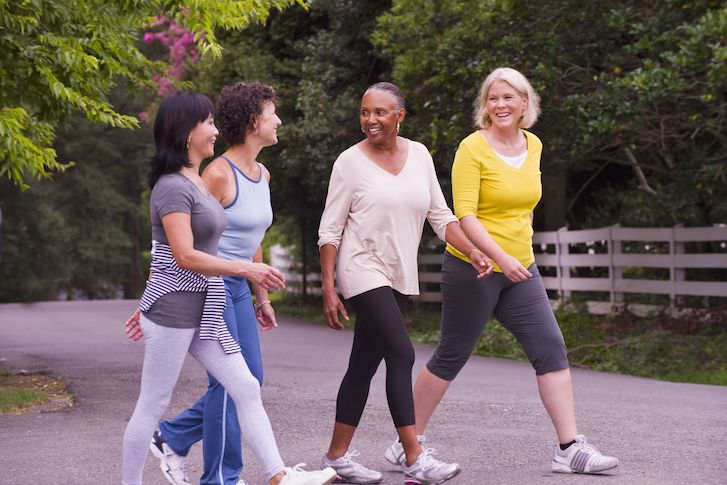
How to Start a Walking Club-image

If you can put one foot in front of the other, you can improve your heart health, increase muscle tone, and get an invigorating dose of fresh air and sunshine. But if you can take that same walk with a group of enthusiastic individuals, the experience will be elevated to a whole new dimension. Surrounded by eager friends and neighbors, members of active adult communities all over the country are seeking out the comradery of Walking Clubs, reaping social, spiritual, and emotional rewards that are as important as any physical benefits.   It’s free, it’s easy, and according to the American Heart Association, joining a Walking Club is highly motivational. The stats show participants are 76% more likely to stick to the walking routine because others are counting on them. They also walk faster and farther in a group than on their own. Follow these 5 easy steps for guidance on how to start a Walking Club and soon you’ll be hitting your stride with a group of your own. Who? When choosing your walking buddies, consider your fitness level and the walking speed at which you feel most comfortable. Will you be strolling or power walking? Or somewhere in between? If you walk at a good pace, you’ll want at least a few friends who can keep up. Otherwise, instead of relaxed conversation, you’ll have a shouting match with walkers 50 paces behind you. And speaking of conversation, are you interested in a Walking Club that focuses on a shared interest? For example, if you are a history buff, is your dream club a group of Civil War aficionados? Or are you looking to take your book club on the road? Perhaps you are a person with a certain physical limitation or condition and would prefer to enlist walkers with similar circumstances. Or, if you are a newcomer to an active adult community, you may want to spearhead a newcomers Walking Club and create new relationships as you maintain fitness. Think about 5-15 members. Less than 5 could easily fall apart when people have other commitments, and more than 15 becomes difficult to navigate.  If you want a sunrise walk, be sure to choose walkers who are morning people. Otherwise, they’ll push the snooze button and you’ll be walking alone! When? Commit to a time that works for the group, and your starting line will be filled with eager walkers every time you meet. Consider changing the routine with the seasons. Walks during the steamier summer months may need to start a little earlier or later to avoid the heat of the day. Whether your group decides on a morning, afternoon or evening walk, you will want to aim for a frequency of at least once or twice a week for at least an hour of moderately intense walking. Where? Consider a meeting place that is conveniently located. That 30-minute drive to your favorite scenic spot will get old quickly and walkers will be less inclined to show up. That said, a walk with a view is always enjoyable, so look for hiking trails, waterfront walkways or neighborhoods with historic homes. If you are going to a park, make sure your path is both free and safe. Find out if the area is patrolled and well maintained. Don’t forget to scout out restrooms and water fountains. If you’re evening walkers, make sure the path is lighted. When dealing with a spectrum of fitness levels, it’s important to keep the hills to a minimum. You will also want to avoid heavily trafficked areas that will make the walk less tranquil. How? It’s likely your group will consist of walkers who exercise at different speeds. There will be a natural rhythm as you walk, with some group members in the lead and some bringing up the rear. Some groups practice “looping,” which means the faster walkers double back at some point to rejoin the stragglers, so everyone can mix and mingle again. This keeps the slower walkers from feeling they are holding up the works and gives the faster members the extra steps they are looking for.   Why? Yes, you are out there pounding the pavement to maintain fitness. But creating a Walking Club is also about having fun with contemporaries, nurturing relationships, and sharing new experiences. As the leader, you can keep the group smiling and engaged by instilling team spirit with plenty of cheering and encouragement. Recognize achievement milestones like 25, 50, or 100 miles. Share group triumphs on Facebook.  A little incentive goes a long way and makes Walking Club an important, fun, memorable activity that members always look forward to. The right Walking Club is waiting for you at the Overture community of your choice. Act now to join a welcoming community of active adults to celebrate this exciting new chapter of life.  

Read more