
Blog Posts

Fact or Fiction: The Health Benefits of Drinking Red Wine-image

  Wine improves with age. But more to the point, according to active adult wine connoisseurs, age improves with wine. Raising a glass at  happy hour  or dabbling in the fine art of food and wine pairing with a culinary expert can be delightful—and delicious. Health professionals seem to agree that most people can tolerate alcohol in moderation. But, the question of whether wine—specifically red wine—contributes to healthy aging is the subject of ongoing debate. Proponents of red wine health benefits are convinced it has wellness properties. Opponents are not persuaded. It’s easy to find plenty of input on both sides, but difficult to separate the fact from the fiction. As you sip a fine vintage, here’s some food for thought to go with it. Antioxidants Claims of red wine health benefits generally focus on the presence of flavonoids, melatonin and resveratrol. Flavonoids Flavonoids are polyphenolic compounds they have been reported to have antiviral, anti-allergic, antiplatelet, anti-inflammatory, antitumor and antioxidant activities. Melatonin Melatonin is a substance found both in red wine and our bodies. It is thought to delay inflammatory processes and stem the damage of old age. Resveratrol Is resveratrol a magic bullet? Or is it all hype? That would seem to depend on the day, whom you talk to, and which research you ascribe to. But one thing is certain. Resveratrol, a naturally occurring compound produced during the fermentation process, is at the center of the red wine benefits debate. Due to significant antioxidant properties, resveratrol is said to help the body defend against disease by neutralizing the impact of damaging free radicals. Attacking our bodies on the cellular level, free radicals are frequently blamed for everything from heart disease, to accelerated aging, to diabetes to Alzheimer's. Resveratrol is also credited with helping to lower cholesterol. Studies suggest it may be the key to the “French paradox”—that is, a population with a diet high in fat but a relatively low incidence of heart disease. You Can Have Your Resveratrol—without the Alcohol Many experts agree that resveratrol would be a beneficial addition to your diet. They don’t necessarily agree that red wine is the best source of it. Instead, they recommend other foods that contain resveratrol-like grapes, cranberries, blueberries, grape juice, dark chocolate or peanut butter. The Cholesterol Equation While studies show that wine consumption can raise the good HDL cholesterol in your body, there is a caveat. It appears due to an interaction between your body’s exertion and the low dose of alcohol in wine, only those who exercise will reap the HDL benefits and improve heart health. It’s Not for Everyone While nobody can definitively prove red wine is the key to healthy aging, studies do confirm it can trigger migraines in those who are susceptible. The culprit appears to be histamines and tannins accumulated during the fermentation process. Moderation is the Key Alcohol and health is a complex subject. The key at any age is moderation and good common sense. As we ponder whether red wine’s healthy aging benefits are miracle or myth, we can certainly savor a glass or two and enjoy the camaraderie  and connections that come with good friends, good food and good wine.

Read more


Golf Lover’s Getaways in the US-image

If you are a golfer, retirement means only one thing: Work can no longer get in the way of your golf game! You are now free to roam around the country to experience the destinations on your golf getaway list. As you continue striving to lower your handicap, any one of these great choices is guaranteed to raise your spirits! Scottsdale, Arizona If you happen to live in an  active adult community  in the Scottsdale area, your travel time to great golf will be minimal. With 200-ish courses in the near vicinity, golf bliss in Scottsdale is literally a chip and a putt away. If you can’t find your favorite PGA tour pro in Florida, look around Scottsdale, a golfer’s paradise with exquisite weather between October and April and plenty of activities and great restaurants to keep you busy after golf. Naples, Florida Golfers of all ages flock to sunny Florida for a few days of golf and fun in the sun. Though Florida’s east coast is certainly a southern golf capital, it's Naples on the west coast that wins bragging rights with the highest number of courses in the state. With miles of spectacular beaches and a sophisticated restaurant scene, Naples offers awesome golf as well as an excellent fun quotient. Pinehurst, North Carolina Attracting golfers since the late 19th century, Pinehurst remains a gem of a golf getaway destination. With more than 50 golf courses and less than 20,000 people to play them, Pinehurst offers a less hectic, but consistently stellar golf experience. The city itself was created by famed architect Frederick Olmstead, the designer of Central Park. Weather is temperate, and generally only reaches 79 degrees in mid-summer. One round on the Donald Ross-designed Pinehurst #2, and you’ll be hooked. If you lived at one of Overture’s  North Carolina  communities, you’d never be more than a day-trip away from this fine golfing location. Bend, Oregon What Bend lacks in hot weather, it makes up for in scenic splendor and great golf. Choose from its 2 dozen golf courses, including Pronghorn Golf Club, which is famous for its water features and stunning views of the Cascade Mountains. Your Bend golf getaway can be a multisport adventure with cycling, hiking, rafting or rock climbing. It’s the perfect escape from the hustle and bustle, combining the charm of a rustic small town, with great golf and easy access to the great outdoors.    Kiawah Island, South Carolina Although located in  South Carolina , Kiawah Island has a tropical resort ambiance. Approximately 20 miles south of Charleston, the island is 10 miles long and 1.5 miles at its widest point. With 10 miles of beach and 30 miles of scenic trails, to complement its 9 incredible golf courses, Kiawah is a golf getaway extraordinaire. Featuring courses designed by Watson, Player, Nicklaus, Dye, Fazio, and Johnston, Kiawah is internationally recognized as a major tournament destination.   Golf in Kiawah offers a quiet, laid-back ambiance, great golf, and the bonus of easy access to Charleston, a world-class city filled with culture, entertainment. Whether you’re a true fanatic who only plays golf on days that end in “Y,” or a newly initiated enthusiast, any one of these great golf getaway options are exactly what the golf pro ordered. Pack up the clubs and enjoy!

Read more
Top Things to Do in Austin Texas-image

Why do people love Austin? Well, the answer depends on whom you ask. Outdoor aficionados can’t get enough fabulous activities like hiking and biking. Foodies will tell you it’s the sophisticated restaurant scene with new eateries and cool food trucks popping up regularly. Film buffs love the thriving movie production community and major film festivals that attract international talent. For the musically inclined, what could be more fun than living in the city dubbed “the Live Music Capital of the World?” But ask retirees who have chosen one of  Austin’s active adult communities for this exciting chapter of their lives, and their answer will likely be, all of the above. Whether you are interested in relocating or just looking for great retirement travel ideas, the things to do in Austin will keep you and family members of every age endlessly busy and engaged. Check out these favorite picks. Barton Springs Pool in Zilker Park Nestled within Zilker Park’s 358 acres is Barton Springs Pool, Austin’s crown jewel for residents and tourists alike. Fed from underground springs, the pool measures 3 acres in size and maintains an average temperature of 68-70 degrees, making it the perfect respite from summer’s sweltering heat. Native Americans once believed the springs possessed spiritual healing powers and many still refer to it as the soul of the city. Complete with bathhouses and an educational exhibit about the history and science of Barton Springs, a visit to this Austin landmark promises a unique experience. LBJ Library   Located near the campus of the University of Texas, The Lyndon B. Johnson Library offers an intimate insight into our 36th president and gives enlightening historical context to his term in office. From presidential holiday cards, to photographs depicting the civil rights era to an LBJ robot, this museum uses all types of entertaining mediums to highlight the president’s life and political career. Don’t let the word library throw you. This is one tourist attraction that is anything but boring. Sixth Street Since its dramatic renovation by the National Register of Historic Places in the 70s, Sixth Street between Congress Street and Interstate 35 is where the musical action is and the place to discover some of the city’s up and coming talent. With rowdy clubs, low key bars and every type of bar and eatery in between, this is Austin’s answer to Bourbon Street in New Orleans and a mandatory stop for anyone visiting Austin. Esther’s Follies   Oddly enough one of the main attractions on Sixth Street is a non-musical venue known as Esther’s Follies. A fixture for more than 35 years, Esther’s Follies keeps them rolling in the aisles with shows that include magic and great improv. Lady Bird Johnson Wildflower Center What began as an effort to educate fellow botanists about the benefits of planting and nurturing certain types of plants, is now the nation’s largest research center for native plant studies. Founded by first lady Claudia Alta Taylor “Lady Bird” Johnson, the center now features 650 species of Texas flora on over 12 acres of gardens, along two miles of hiking trails. There is also a café and observation deck. Blanton Museum of Art   Known as one of the largest university art museums in the country, the Blanton Museum of Art on the U of T campus is home to more than 17,000 works of art and features the nation’s largest private collection of masterworks. This is the place to get your art on in Austin. Join the ranks of happy retirees who now call  Overture Austin home. A lifestyle filled with entertainment, enjoyment and enlightenment await.

Read more
Healthy Benefits of Gardening-image

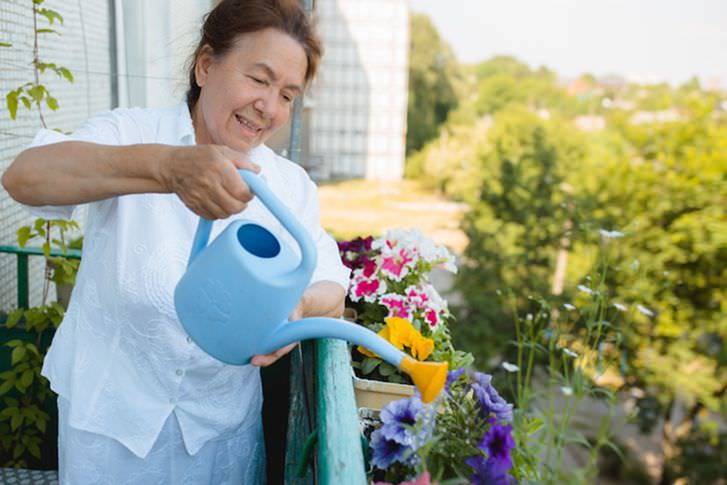
  If you sit outside, you get lots of fresh air. Take a walk, and you keep those legs moving and your heart pumping. Pull out the knitting needles or the sewing kit and you’re supporting the dexterity of your hands. Indulge in a pursuit that ignites your passion, and you’ll lift your spirits while stimulating your brain. Hard to imagine one activity that could boast all of those physical and mental rewards. Unless that activity is gardening. The physical and psychological benefits of gardening cannot be overstated. For starters, as a low impact exercise, it involves stretching, bending, squatting, and twisting, all of which improve balance and joint flexibility. Gardening also soothes the soul and relieves stress as it connects participants to the beauty and serenity of the outdoors. As a senior who has enjoyed a lifelong passion for gardening, you may worry that age-related issues will interfere with your ability to stop and plant the roses. But thanks to options like container gardens, window boxes, and patio pots, those limitations can be easily accommodated without impacting the joy of the experience. That flexibility also makes gardening a wonderful new hobby for active adults looking to expand their horizons. Follow these simple common sense guidelines and all the benefits of gardening will be but a trowel of soil away. Protect your skin from the elements with plenty of sunscreen—especially on the lips, a generous dose of bug repellent and a hat that really covers. FYI, If your grandkids are not making fun of that hat, it is not big enough. Complete the ensemble with sturdy shoes, sunglasses, and gardening gloves. Try to get outside in the mornings and evenings when the temperatures are cooler and the sun is less of an issue. Have plenty of water handy to maintain hydration. Get a better grip on gardening tools by wrapping foam around the handles or sliding foam tubing on them to make them thicker and easier to control. Try adding bright colored tape so they will be easy to find if dropped. Rotate activities to avoid overtaxing any particular muscle group. Remember to bend at the knees and hips to avoid back injury. Check out some of the great gardening products specifically designed for seniors, such as kneeling benches, ergonomic tools and rolling scooters that can make life in the garden even more fun. If there are a few tasks that require a little extra oomph, get the kids and grandkids involved. It will be great quality time together. If your current living situation does not include space for a backyard garden, add a few pots to your patio or become part of a community garden group. You’ll enjoy the gardening and the team spirit. Whether planting and pruning in solitude or enjoying the company of other enthusiasts, gardening is a pastime that engages the mind and body in a myriad of positive ways. So get out there and find your bliss among the flowers and greenery. Ready, set, garden!

Read more
Swimming Safety Tips for Active Adults-image

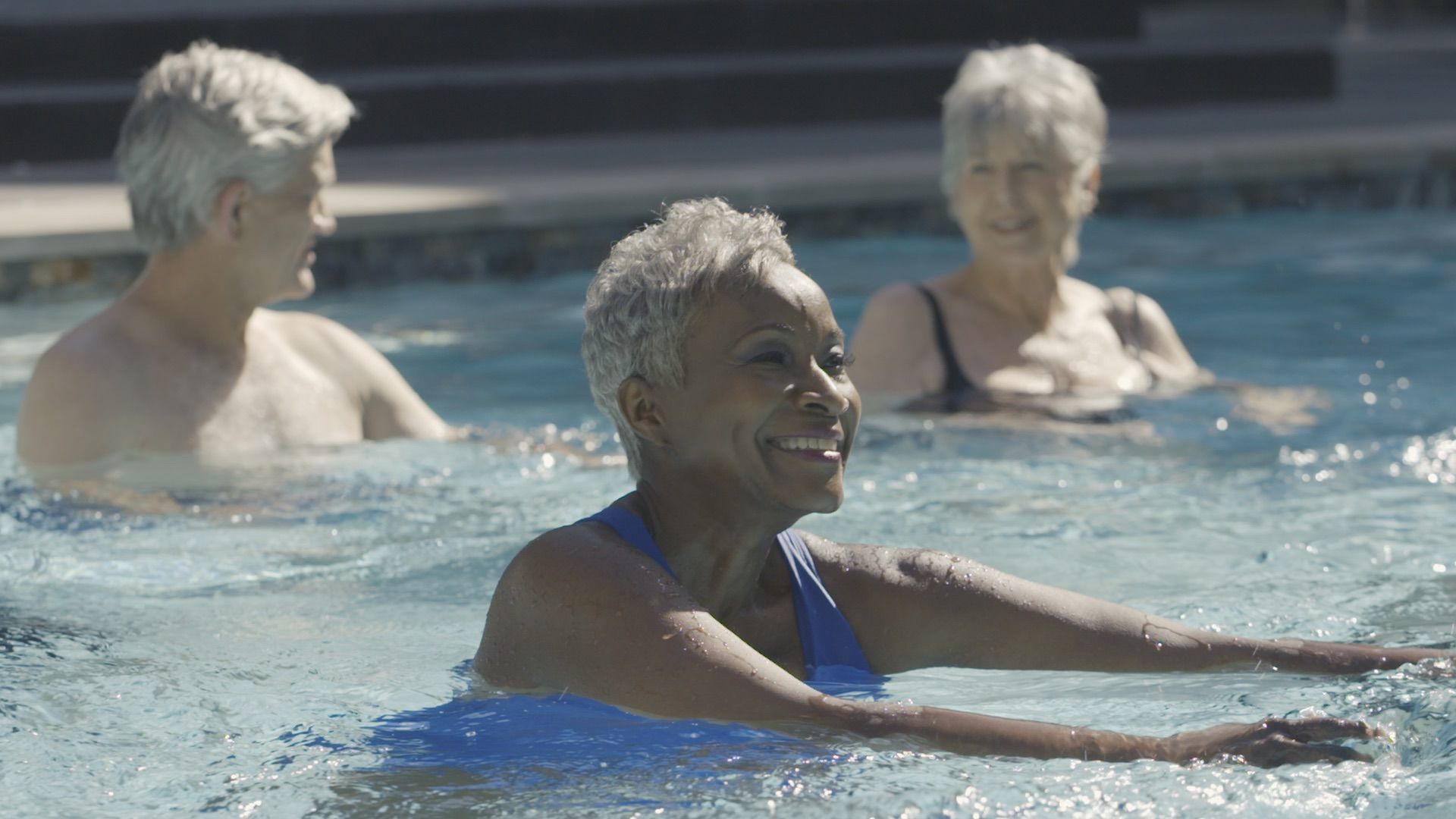
  Nothing calms the spirit and soothes aching joints like exercising in crystal clear, perfectly heated water. Whether you’re into water aerobics, aqua yoga or enjoy the energizing rhythm of swimming laps, water sports are your best friend. Even if you’re just in the pool splashing around, you’re improving both body and mind. At every age, the cardinal rule of water activity is safety first. But each age group is vulnerable to different dangers in and around the pool. For example, advice on swimming safety for seniors may not necessarily include a warning about running in the pool area, but it will point out potential hazards that take a senior’s unique reality into account. Before you take the plunge, consider these swimming tips. Get a Doctor on Your Swim Team Before you don that new swimsuit for your great pool workout, check in with your doctor to make sure everybody is on the same page about your fitness level and abilities. Know Your Limits Fact: You are not training for the Olympics. It’s great to set goals for yourself but it’s important to be respectful of your limits. If you find yourself out of breath, or fatigued, get out of the water and take a rest. Don’t be disappointed if you don’t finish all the laps you planned. Feel good about whatever you did. Stay Alert—Medically If you wear a medical alert pendant, be sure to get a waterproof version you can wear in the pool. You can also give one to your swimming buddy, just in case. …And You Do Want a Swimming Buddy One safety rule is universal, no matter how old the swimmer: Never swim alone. It’s always best to swim in pairs to have a backup in the event of an emergency. When two buddies look out for each other, it’s safer and double the fun. It’s Not a Race Take your time getting in and out of the pool. You don’t want to slip or lose your footing and become injured. Pool Shoes Are In Pool bottoms can be slippery or rough in texture and tough on sensitive bare feet. Many seniors feel safer with water shoes that provide traction and protection from painful surfaces. Clear the Decks Nothing can ruin a great pool workout like a trip to the emergency room. Make sure the pool area is free and clear of potentially dangerous obstacles before you get in or out of the pool. A noodle or kickboard carelessly left in your path can be a serious accident waiting to happen. Safety Bars—Just Say Yes If your pool facility does not have a safety bar to assist with entering and exiting the pool, speak to the management about installing one. It can be a very helpful tool for those who have difficulty getting in and out and can double as an exercise bar for anyone so inclined. Once you’ve created a pool environment that specifically addresses swimming safety, your pool time will become the highlight of the day. It will be the happy hour—before Happy Hour!

Read more
Foods that Boost Brain Health-image

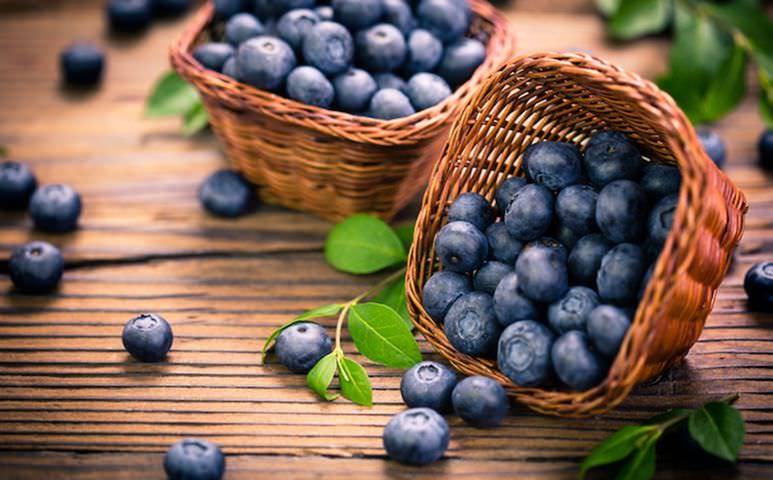
  We are what we eat. It is as simple—and as complex as that. What we ingest affects every fiber of our being, including that critical space between our ears. In fact, the older we get, the more our brains need the right fuel to nourish and protect against damage and degeneration. While there are no specific foods or food combinations that will definitely fend off Alzheimer’s, there are plenty of items on the shelves that are thought to specifically support senior nutrition and help reduce the risk of future dementia. Check out these top choices. Avocados Get an A+ Yes, avocados are high in fat, but they are monounsaturated fats, the “good” kind, that keep your skin glowing and your blood sugar stable. Rich in vitamin K and folate, these friendly fruits help protect against strokes while boosting both memory and concentration. Their creamy texture makes them a great choice for smoothies or a replacement for less beneficial fats in baked goods. Beets are Unsung Heroes Beets are like sensible shoes. They are not cool, but boy do they get the job done! Beets are not only loaded with cancer-protective antioxidants, they also contain natural nitrates which actually increase blood flow to the brain, enhancing cognitive performance. It’s easy to roast them and create a tasty side dish or toss them in a salad. Blueberries or Brain Berries? With loads of vitamin C, K and fiber, blueberries are off the charts when it comes to antioxidants. But, it is their high levels of gallic acid that protect the brain from stress and degeneration. You don’t have to be terribly creative to get your daily dose of this brain food. Simply throw a bunch over cereal in the morning, add to a smoothie or salad or just grab a fistful and eat them for a snack. Healing Bone Broth Bone broth is chicken soup for the brain. Its high levels of collagen help heal intestinal inflammation while its amino acids like proline and glycine support the immune system and improve memory. It’s easy to find a great recipe or you can find a ready-made brew that will do the trick. Eat Your Broccoli Remember when you were a kid, and everybody was bugging you to eat your broccoli? Well, if you had eaten your broccoli, you would remember! Thanks to its high levels of Vitamin K and choline, broccoli helps keep the memory firing on all cylinders. And one cup provides you with more than 100% of the recommended daily intake of vitamin C. If plain broccoli turns you off, there are plenty of recipes to spruce up its appeal. This is Your Brain on Chocolate Chocolate has flavonoids which can lower your blood pressure and improve blood flow to both the heart and brain. But the good news comes with a caveat: Skip the milk or white chocolate and treat your brain to dark chocolate with at least 70% cocoa. The darker the chocolate, the better the health benefits. Those chocolate covered berries or chocolate chip cookies will taste just as yummy with dark chocolate and you’ll feel less guilt for the calories! For more brain healthy nutrition tips, try an active adult  cooking class . You’ll have a ball with friends while cooking up healthy, delicious meals full of the foods you need to keep you sharp and sassy. It’s a no-brainer—for your brain!

Read more