Blog Posts

You and Your Dog: The Perfect Partnership for an Active Lifestyle-image

  They exude unconditional love. They are always excellent company. They provide comfort without judgment. No, we’re not talking about your kids and grandkids. Yeah. Sure. They have their appeal. But seriously, when it comes to true blue companionship, our furry, four-legged friends win, paws down. It’s a known fact that regular interaction with a dog can enhance our lives, particularly as we age. As creatures that live in the moment, dogs can’t dwell on the past or fear the future. Their calm, accepting attitude is contagious and should come with a warning label: Attention humans! Be prepared for reduced stress, lower blood pressure and an enriching emotional bond. In fact, based on the results of a recent study, it appears that when it comes to dogs for seniors, the physical benefits are even more dramatic than we thought.   The key finding: Dog owners walk more. And that’s a really great thing.    According to the research, the benefits of a canine workout buddy cannot be overstated. Participants in the study, all of whom were between the ages of 65 and 81, wound up walking an average of 23 minutes more per day than those who did not own a dog—enough to meet U.S. and international exercise recommendations for substantial health benefits. And the even better news is they were not just lollygagging along. Motivated by their canine counterparts, these active adults marched briskly at a pace that raised their heart rates. The conclusion was clear: Having a dog as a fitness friend is a great way to maintain a healthy, active lifestyle. Before you choose your new workout buddy, take a moment to do a little research of your own to find a dog that is the right match for you and your circumstances. Whether you work with a breeder or contact a shelter, be sure to ask questions about age, temperament, energy level and health history.  Word of caution: If somebody offers you a puppy, politely decline—unless you want to return to your days of raising an infant. Your best bet is a well-trained adult dog that will be an energizing addition to your life, not an exhausting responsibility that keeps you up at night. Listed below are five popular companion dogs for seniors. Maybe one is the right choice for you! French Bulldog This is a stylish, small spark plug of a dog with a solid disposition. They develop strong attachments to their masters and are loving companions as well as wonderful walking partners. They come with one caveat, a predisposition for respiratory issues. Avoid health problems by seeking out a highly reputable breeder.    Poodle Who wouldn’t want a dog known for its sense of humor? Poodles are personable, easy to train and easy to maintain with regular grooming appointments. A standard size may be a handful and the toy a bit too tiny and fragile but the miniature may be just the ticket for a compact but reliable companion capable of a good, long walk. Schipperke With its easy-care coat and shoe button eyes, your Schipperke will be flexible and easy going no matter where you live. This dog was bred for onboard living, so if you are a fan of boating, this dog can be your buddy on the water as well as the land.  Your Skip will be small but equipped with boundless energy that will keep you moving. Maltese A Maltese will be a companion that is incredibly attentive and tuned in to its owner.  If you’re worried about that long hair shedding all over the place, just keep your pet clipped and you will have a furry friend that is not only loyal and true but also easy to maintain.  Pembroke Welsh Corgi If you are a fan of the Welsh Corgi you are in good company—royal company that is. Long the favorite dog of Queen Elizabeth, these energetic dogs are companions that will keep you active and fit. Their short legs make it tough for them to climb so ramps and steps to get into the car and onto the couch will be helpful.     Just wait until that cute little face gets in your face in the morning and wants to go out. You won’t need scientific data to understand there is no choice but to get up and get moving. Dog ownership as an active adult could be a great new adventure that will not only extend your life, but add a new dimension of fitness, fun and friendship to it.

Read more
Swimming Benefits for Seniors: Here's What You Need to Know-image

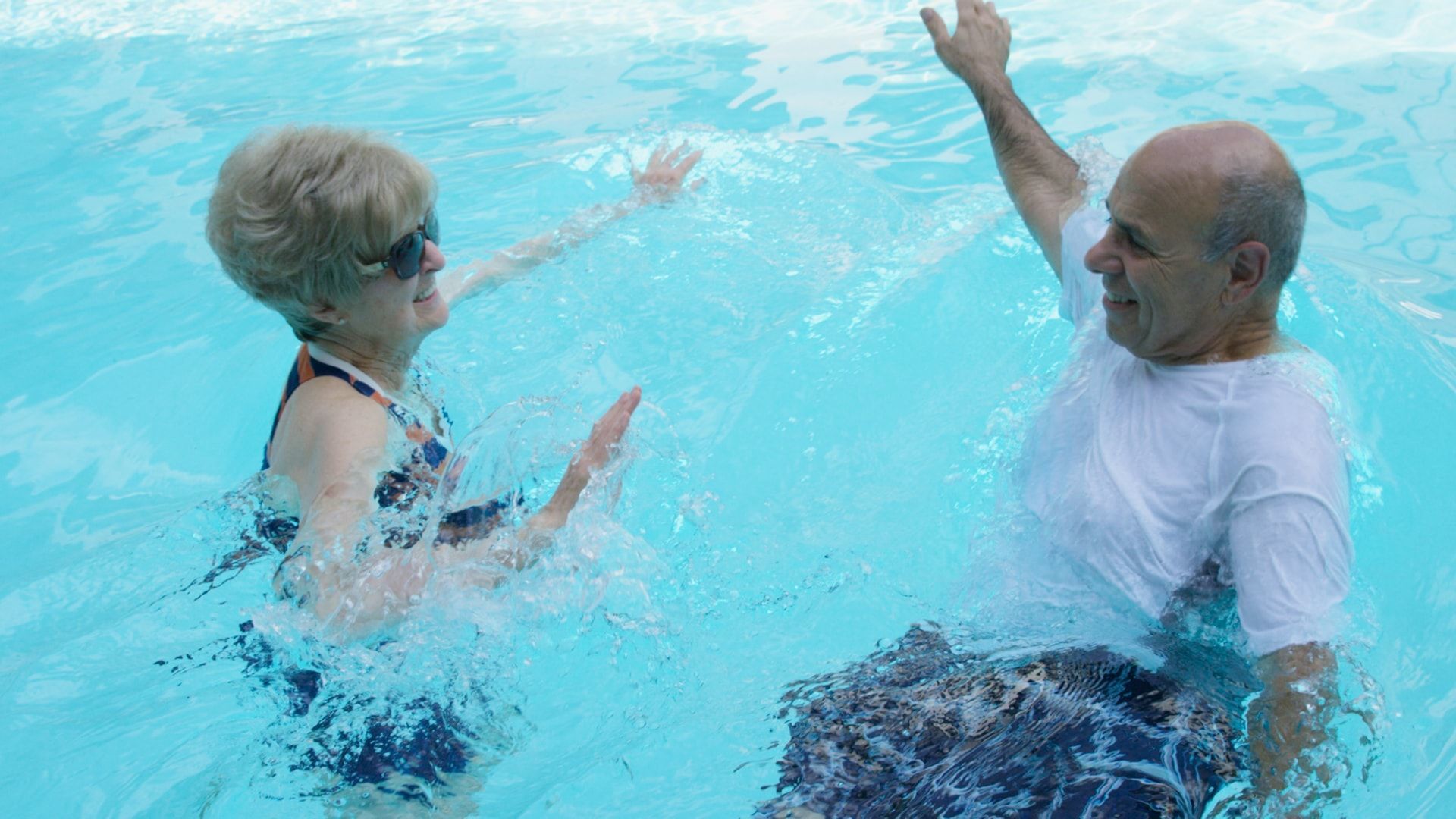
Fun and invigorating, swimming is the quintessential total body experience. Effortlessly propelling through water is joyful and soothing. But for the 55+ crowd, taking the plunge can be so much more than just recreation. Mitigating the pain that can make activities on land a trial, water allows your body to become fluid and flexible; to move with a freedom only possible inside the pool. As the one form of exercise that positively impacts every system in the body, swimming and other water activities are making a big splash for seniors who want to strengthen and renew both body and spirit. In fact, no other physical activity multi-tasks like swimming. As it improves heart rate and lung capacity and increases blood flow it also reduces the risk of type 2 diabetes, stretches and tones muscles, and releases endorphins that create a sense of well-being. And, with water supporting their body weight, those with chronic issues and injuries can work out for longer periods without worrying about stress on joints and bones. Whether you swim like a fish, or simply want to exercise in the water, the long list of swimming benefits will make it worth your while. Whatever pool activity you choose is guaranteed to become your favorite pastime. Just Swim If you are physically up to the challenge, swimming laps for half an hour would be immensely beneficial. Modify the workout by taking kickboard breaks for a lap or two and diversify with different strokes. Alternating freestyle with breaststroke and backstroke would work all the different muscle groups. Water Aerobics Classes Water aerobics can be enjoyed at any experience level. There are classes that promote gentle movement and others that can be more rigorous, using the water for resistance exercise. Beyond the physical benefits, participants also enjoy the social aspects of working out in a group. Water Walking Enjoy a relaxing water-walking session. As simple as walking back and forth across the shallow end of the pool, water walking is a great way to get moving without exacerbating joint pain. It is also an excellent rehab option for foot or ankle injuries. Walking without bearing weight helps injured tendons or muscles remain flexible as they regain their strength.   Aqua Running The ultimate in low impact aerobics, aqua running is a great way to get a cardiovascular workout without stressing joints or exacerbating existing mobility issues. Wearing a flotation device—belt or vest—simply paddle into the deep end and create a running motion with your arms and legs. Water Relaxation Classes Water relaxation techniques are focused on reducing stress and improving balance which can reduce the risk of falling. Experience the calming effect of water yoga or water Pilates. Learn the art of I Chi, water resistance training based on the principles of Tai Chi. Or strap on a flotation device and just hang out and meditate on how great it feels to be in the water. Swimming is the ultimate total body workout at any age, but especially for the 55+ young at heart community. Find the water activity that perfectly suits you and get in the swim!

Read more
Fun Things to Do in San Antonio with Your Grandchildren-image

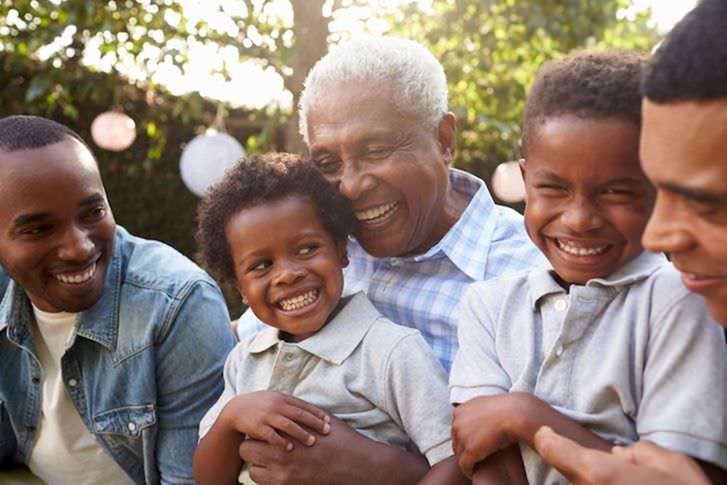
  San Antonio has a secret. Sure, everybody knows the second largest city in Texas boasts a rich and diverse cultural life and an ever-expanding culinary scene. But here’s the surprise: It’s also a kid’s paradise with loads of big fun for the little folks. Entertaining visiting grandkids will be a breeze. In fact, they’ll never want to leave. Check out these top 5 choices for fun things to do in San Antonio, mere minutes from Overture Stone Oak , and get ready to make your grandkids’ day! The DoSeum A true fan favorite, the DoSeum is where kids play to learn, and adults learn to play. Providing an engaging, hands on experience, the DoSeum will inspire and intrigue both young and young at heart. You and your grandkids will have a ball exploring together. 2800 Broadway, San Antonio, TX 78209 The San Antonio Zoo The kids will be wide eyed with wonder at underwater views of a hippo and crocodiles as you see all the sights of Africa at the San Antonio Zoo. Between the Freidrich Aquarium, the reptile house and the petting zoo, the kids will have an outing they’ll never forget. Make sure to wear your comfiest sneakers. 3,500 animals on 35 acres will keep everybody moving. 3903 N. St. Mary’s Street, San Antonio, TX  78212   Altitude Trampoline Park Trampolining has evolved from a tool for pilot and astronaut training to an Olympic sport. The kids will jump for joy at this new indoor trampoline park that features trampolines as well as a foam pit, and tumble tracks. 11075 IH-10 W Ste 126, San Antonio, TX  78230 Magik Theatre The perfect blend of culture and fun, Magik Theatre stages kid-friendly productions that bring classic and contemporary children’s stories to life. What better way to introduce your grandkids to both theatre and literature? 420 South Alamo, San Antonio, TX  78205 Six Flags Fiesta Texas Six Flags San Antonio puts the amuse in amusement park. The smallest small fries, the most bored teenagers, and every kid in between will get their thrill on at Six Flags,  home to eight world class roller coasters and a huge water park. 17000IH-10 West, San Antonio TX 778257 Next time the grandkids call and ask if there are fun things to do in Stone Oak, you can answer with an unequivocal YES!  

Read more
The Benefits of Volunteering-image

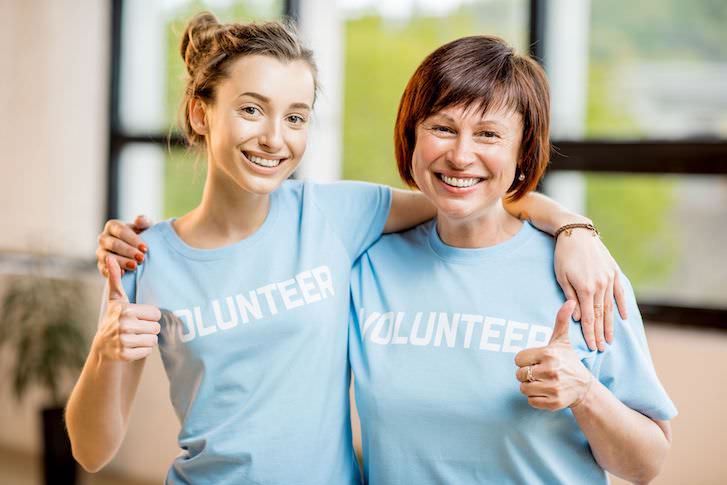
“The human contribution is an essential ingredient. It is only in giving of oneself to others that we truly live.” So said Ethel Percy Andrus, the first woman high school principal in California and the elder rights activist who founded AARP in 1958. Those words resonate powerfully with the huge contingent of seniors volunteering today. Statistics show that close to 20 million older adults contribute over a billion hours of community service per year, aiding other seniors, tutoring and mentoring at-risk youth, providing education and job training for veterans and their families, and pitching in for disaster relief. Typically, it is the seniors who put in the most hours, more than any other age group. But grateful communities are not the only ones reaping the benefits of this volunteering. A recent study proves that when active adults are giving, they are also receiving big time. The results are conclusive: Older adults who volunteer are happier. They live longer. The enhanced self-esteem, sense of purpose and stronger identity derived from helping others creates a reserve of emotional resources that helps them cope with personal loss in a healthier way. Without a doubt, the social, emotional and even physical benefits to senior volunteers makes giving to others, well…the gift that keeps on giving. The University of Pittsburgh study, led by researcher Fenyan Tang , involved more than 200 volunteers, aged 50 and over. Each member of the study contributed an average of 6 hours per week to a nonprofit or government program. Their tasks ranged from legal consultation, to meal preparation to computer tech assistance. The study also assessed the level of support offered by the organizations involved and to what extent it impacted the volunteer experience. Fast forward a year later to researchers following up with the volunteers to evaluate their progress. The consensus was that senior volunteers are happy campers indeed. Participants reported significant improvement in mental and emotional health, a heightened sense of productivity, increased social activity and a general feeling that life was better. In relation to their non-volunteering peers, older volunteers were less lonely, less depressed and more satisfied with their place in the world.   Beyond the social and emotional benefits, senior volunteers also experienced increased levels of physical functioning, enhanced muscular strength, and decreased pain, all of which helped delay mortality. The study revealed one of the keys to successful senior volunteering is the training and support offered by the organization. The more flexible and inclusive the staff, the more responsive and happy the volunteers. Once you are inspired to volunteer: Get a clear sense of how the organization of your choice runs its volunteer program. Be sure you will be adequately trained to carry out your responsibilities. Find out how to contact a staff member in the event you have questions during your shift. Look over the hours required carefully. Be cognizant of overscheduling yourself. Try to find a volunteer opportunity that is compatible with any physical limitations you may have.   Be aware of the environment you will be working in. It’s clear that emotionally meaningful volunteer opportunities for older adults can impact their lives as significantly as it impacts the lives of others. It’s a win/win.  

Read more
Get In Touch With Your Creativity Through Painting-image

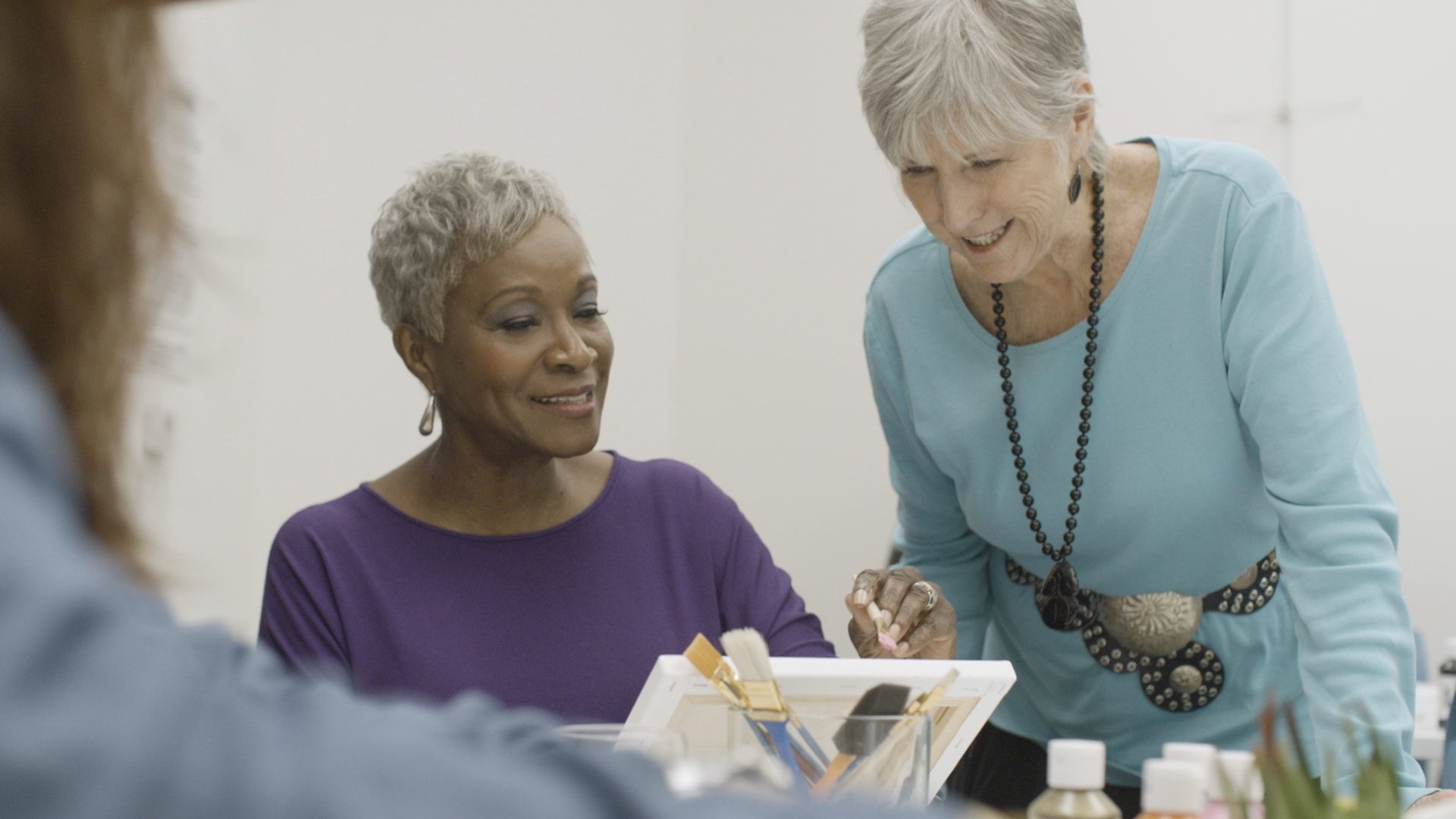
  “I can't think of anything more rewarding than being able to express yourself to others through painting. Exercising the imagination, experimenting with talents, being creative; these things, to me, are truly the windows to your soul.” So said the late painting instructor Bob Ross, famous for his 11 year run as host of “The Joy of Painting.”  Ross clearly understood that at its core, pursuing paint activities is more about freeing the mind more than controlling the hand. Current studies in the field of art therapy agree that creative modalities like painting can enhance our quality of life as we age, nurturing overall wellbeing and promoting healing. Who knew a paintbrush could be that powerful? Often older adults shy away from paint classes fearing they bring nothing to the easel. A savvy instructor will create a welcoming, judgment free zone in which even those with two left hands are free to joyously explore the creative process. It’s not about the art. It’s about the artistry and the multitude of potential benefits tapping into your inner Picasso can yield. Paint the Stress Away Activities like painting, sculpting, and drawing are automatic stress relievers that will relax you and leave you feeling mentally clear and calm. Once you become immersed in your creative endeavor, you will find focus and flow and be amazed at how the cares of the day just fall away. You can achieve a state of meditation that is refreshing and renewing. Painting activities will also reduce anxiety and depression. You’re Not Getting Older, You’re Getting More Creative While it’s true our brains age, research shows that creativity and imagination can actually flourish later in life. It’s the gift that keep on giving. The more we exercise our creative options, the more we produce new neural pathways that improve cognitive function. Keeping the creative juices flowing for a lifetime will help keep you both interested and interesting. Beyond the Canvas Your art may not wind up hanging at the Met, but participating in paint classes will provide a great outlet for socializing with fellow art enthusiasts. As your peers find their own inner voices, you will have the opportunity to learn more about them and really get to know them. You will feel an increased sense of identity and purpose. It’s Okay to Drink and Draw For an extra boost to the spirit, try combining art and spirits in a paint and wine class. How do you think Michelangelo survived that ceiling?   According to Bob Ross, “All you need to paint is a few tools, a little instruction, and a vision in your mind.” And don’t forget to have fun. Live Overture offers an array of  creative services  as part of our Soul Services, including drama clubs and jewelry making.  Contact us  today to explore how Live Overture can enhance your everyday living.  

Read more
Not Ready to Retire? 5 Job Hunting Tips for Seniors-image

Retirement from long-term employment is a pretty decisive conclusion to one phase of life. But, just what the next chapter looks like to each retiree is anybody’s ballgame and depends on a variety of factors. Many retirees embrace their new found free time to travel, pursue long tabled interests, and spend time with the grandkids. However, active adults who are not comfortable with so much leisure time, or find themselves in unexpected, less than optimal financial circumstances, may want to retire the idea of retirement. Either way, pursuing new employment at this stage means coming face to face with a job hunting experience that will require some fortitude. Finding opportunities in the golden years has its own set of unique challenges. Here is some strategic job hunting advice to help channel your hard-earned wisdom, expertise, and passion for life into a meaningful new career path. 1. Streamline Your Resume As a more mature job seeker, be judicious about your job history. There is no need to include every job you’ve held since graduation. Nor does the year of that graduation need to be mentioned. Better to let your most recent accomplishments intrigue a potential employer into inviting you in for an interview. Face to face, your skills and enthusiasm will assuage any issues there might be about your age. 2. Create a LinkedIn Profile Establishing a presence on Linkedin will serve the dual purpose of giving you access to scores of active job posts and letting employers know you are comfortable with 21stcentury internet strategies. 3. Network like Crazy Linkedin is a great resource, but so is your own personal network. After years in the workforce, you’ve made connections that can be vital in your quest for a new position. Don’t be afraid to tap those contacts for job possibilities, as well as personal recommendations. A glowing endorsement by someone inside the company can be critical to getting your foot in the door. 4. Computer and Technology Training It is imperative for job seekers at any age to appear relevant and current. Unfairly or not, many employers assume older applicants are not as computer literate as they should be. A little computer and technology training will go a long way toward demonstrating your competence and busting through that bias. 5. Flexibility is Key Chances are the job you left after 10-20 years far exceeded an entry level position, with a commensurate salary to prove it. While you definitely do not want to undersell yourself, it’s important to let employers know you are flexible and willing to consider less prestigious positions—and the pay cut that goes with them. Your advanced level of experience, combined with your willingness to adapt to a new role, will be an asset in your favor.     The best job hunting advice? Stay positive.  Remember, your attitude matters as much as your aptitude! Good Luck!

Read more